🐾 Who’s the true apex predator (a real ranking): Orca
Primary subject: Orca — Orcinus orca
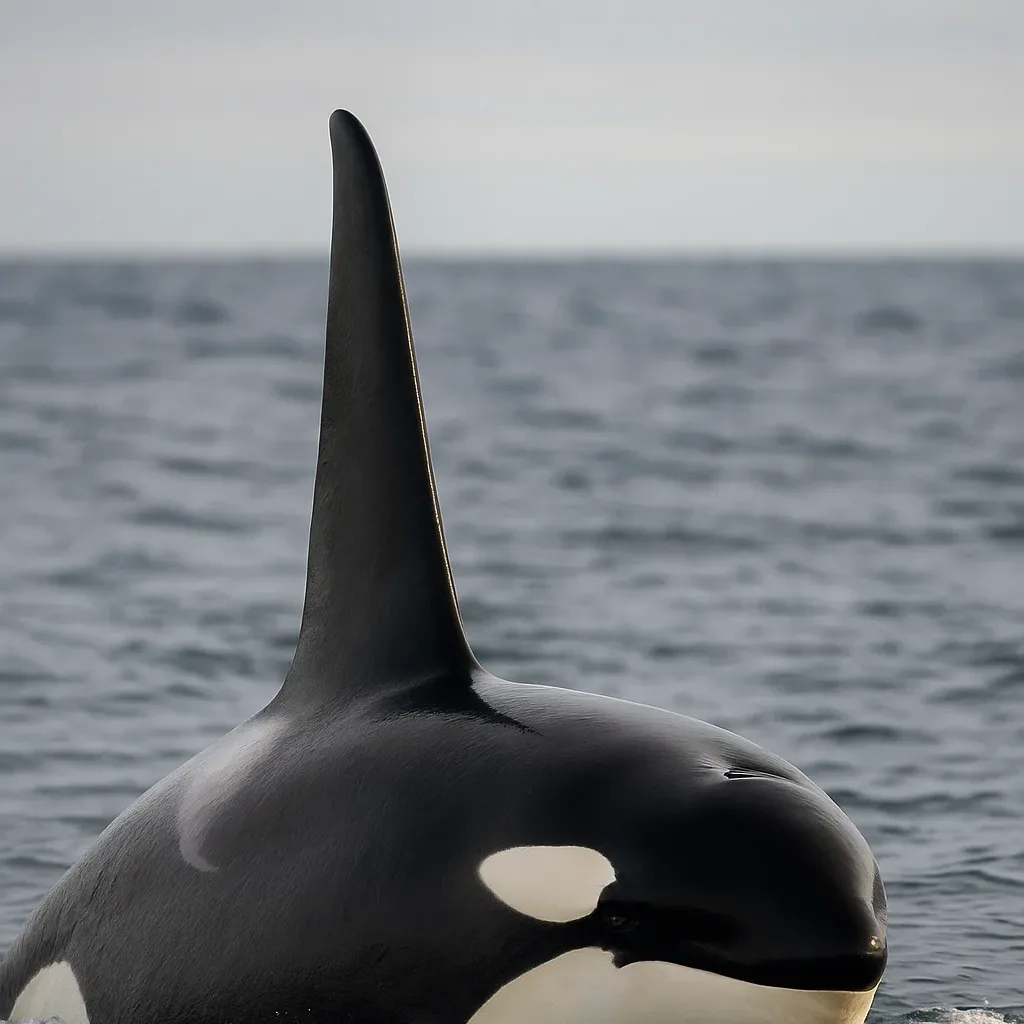
The orca, also known as the killer whale, is the true apex predator of the ocean. With unparalleled hunting skills, orcas can target anything from small fish to great white sharks, making them a dominant force in marine ecosystems. Their highly intelligent and cooperative hunting techniques set them apart from other predators.
🔎 Key Takeaways
- Orcas are the true apex predators due to their versatile hunting strategies.
- Their ability to hunt cooperatively in pods enhances their effectiveness.
- An adult orca can weigh up to 6,000 kg (about 13,227 pounds).
- Orcas can swim at speeds up to 56 km/h (about 34.8 mph), making them fast and agile hunters.
🧬 Why It Happens
Orcas are highly intelligent animals with complex social structures. They often hunt in pods, utilizing coordinated strategies to outmaneuver and capture their prey. This teamwork is a significant factor in their success as apex predators.
These marine mammals possess impressive physical attributes, including strong jaws and powerful tails. Their robust teeth help them tackle various prey, while their speed and agility allow them to swiftly navigate oceans.
Orcas exhibit remarkable adaptability, thriving in diverse climates, from polar regions to equatorial waters. This adaptability expands their hunting range and food availability, further solidifying their apex status.
🌍 Where You Might See It
Orcas inhabit all world oceans, with a preference for cold, nutrient-rich waters. They are often spotted in coastal areas, fjords, and even the deep sea, where they follow migratory prey or exploit localized abundances of food.
⚠️ Practical Caution
- Maintain a safe distance from wild orcas in their natural habitat.
- Observe orcas from boats designed for wildlife viewing to avoid disruption.
- Avoid sudden movements or loud noises that may startle them.
- Follow local guidelines and regulations when engaging in marine activities.
- Do not attempt to feed or interact directly with orcas.
- Report any distress or unusual behavior to local marine authorities.
In general, respect their space by observing from a distance and keeping noise levels low. Always prioritize your safety and the well-being of these magnificent creatures by following local guidance.
For more information on wildlife and apex predators, visit AnimalsGuidebook.com.