🐾 Top 3 most dangerous animals (surprisingly not predators): Mosquito, hippopotamus, snake
Primary subject: Mosquito — Culicidae
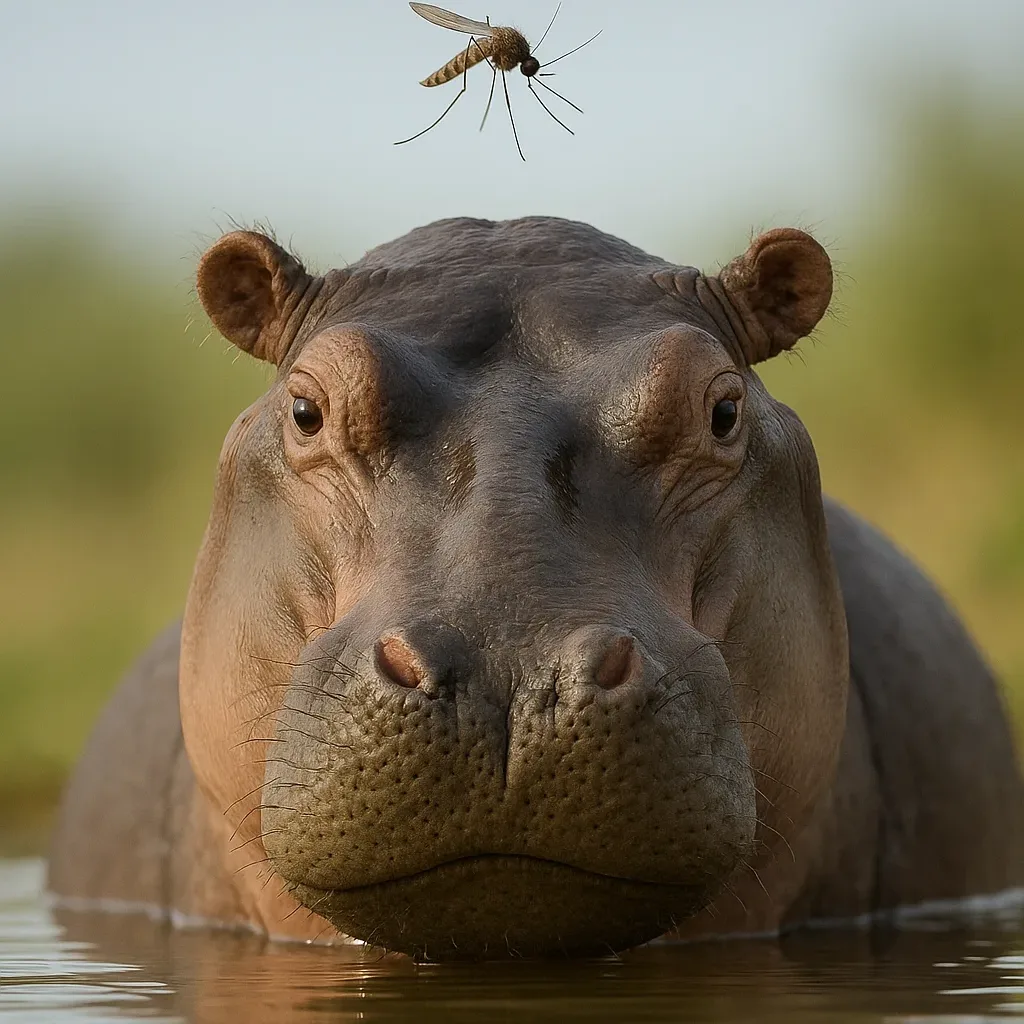
Mosquitoes, though tiny and not a predator, are among the world’s most dangerous animals. They have a lethal reputation due to their role in transmitting deadly diseases to humans. Despite their small size, their impact on human health is enormous.
🔎 Key Takeaways
- Mosquitoes are one of the most dangerous animals due to disease transmission.
- They spread life-threatening diseases like malaria and dengue fever.
- Malaria alone causes roughly 400,000 deaths annually, predominantly in tropical regions.
- Compared to their weight, mosquitoes cause more human deaths than larger animals.
🧬 Why It Happens
Mosquitoes are vectors for diseases such as malaria, dengue fever, Zika virus, and more. Malaria, transmitted by the Anopheles mosquito, is particularly deadly and widespread, causing significant mortality in regions with poor healthcare access.
These insects thrive in warm, humid environments, which is why tropical and subtropical areas report higher incidences of mosquito-borne illnesses. Mosquitoes have adapted to breed in stagnant water, increasing their population density close to human habitations where such conditions are common.
Despite their small size, mosquitoes feed on blood, transferring pathogens between hosts. This unique role as disease vectors makes them disproportionately dangerous compared to their physical size.
🌍 Where You Might See It
Mosquitoes are typically found in warm, humid environments such as tropical and subtropical regions around the globe. Their activity peaks during warm months or in areas with plenty of stagnant water, making these locations hotspots for mosquito-borne diseases.
⚠️ Practical Caution
- Use insect repellent when in mosquito-prone areas.
- Wear long sleeves and pants to minimize exposed skin.
- Sleep under mosquito nets to ensure protection overnight.
- Avoid areas with stagnant water, as they are breeding grounds for mosquitoes.
- Stay indoors during peak mosquito activity, usually at dawn and dusk.
Maintaining appropriate distance and calm behavior is crucial. Always follow local health guidelines to minimize the risk of mosquito-borne diseases.
For more insightful articles on wildlife and conservation, visit our homepage: animalsguidebook.com