🐾 This animal barely sleeps—and here’s why: Giraffe
Primary subject: Giraffe — Giraffa camelopardalis
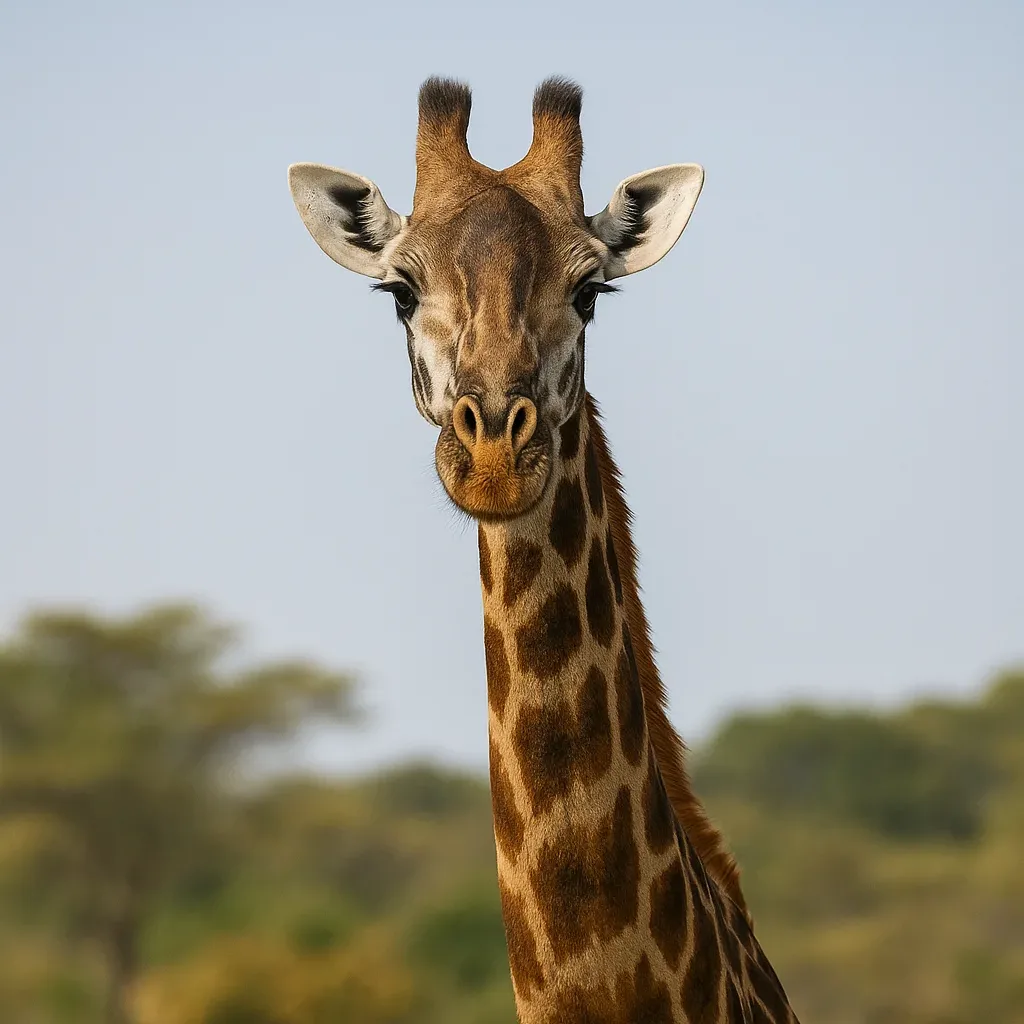
The giraffe, the world's tallest animal, is known for its surprisingly minimal sleep habits. This majestic creature averages just around 4.6 hours of sleep per day, often consisting of short naps lasting only a few minutes. Their unique sleeping patterns are primarily attributed to the need to remain vigilant in their predator-laden environments.
🔎 Key Takeaways
- Giraffes sleep approximately 4.6 hours daily, often in brief naps.
- The primary reason for their limited sleep is the need for constant vigilance against predators.
- Giraffes can stand up to 5.5 meters tall, making them easy to spot and needing all the more alertness.
- Their sleep duration is significantly shorter compared to most mammals.
🧬 Why It Happens
The giraffe's minimal sleep pattern is a result of evolutionary adaptations driven by their unique ecology. Living on the savannah, these towering animals are exposed to predators like lions and hyenas, requiring constant vigilance for survival. With predators lurking, staying alert becomes a priority over deep sleep sessions.
Giraffes achieve this by taking short naps throughout the day and night, ensuring that their long necks, which are often prone while resting, aren't a liability. In doing so, they can quickly respond to threats. Their ability to sleep while standing further aids in their quick responses.
This strategy contrasts with many other mammals that indulge in long periods of sleep for bodily repair and energy conservation. The giraffe's towering presence, some reaching nearly 6 meters in height, makes them vulnerable targets, further necessitating their alert habits. Additionally, their large eyes allow them to effectively scan their horizons even from a distance, enhancing their survival despite shorter rest periods.
🌍 Where You Might See It
Giraffes are typically found in sub-Saharan Africa, inhabiting savannahs, grasslands, and open woodlands. Their preference for areas with a mix of open spaces and scattered trees aligns with their foraging habits and awareness needs. In these habitats, giraffes maintain constant alertness to evade potential predators that roam these regions.
⚠️ Practical Caution
- Observe giraffes from a safe distance; their size and power require respect.
- Stay calm and quiet; sudden movements or noises can startle wildlife.
- Avoid getting between a giraffe and its young to prevent defensive behavior.
- Follow local guidance on wildlife interactions and viewing distances.
- Use binoculars or cameras with zoom lenses for a closer look without approaching.
In general, maintain a safe distance from giraffes and other wildlife, ensuring not to provoke them or interfere with their natural behavior. Respond to local wildlife guidelines, as environments may vary.
For more engaging wildlife articles and insights, visit our homepage at AnimalsGuidebook.com.