🐾 The animal whose name doesn’t match its behavior: Koala
Primary subject: Koala — Phascolarctos cinereus
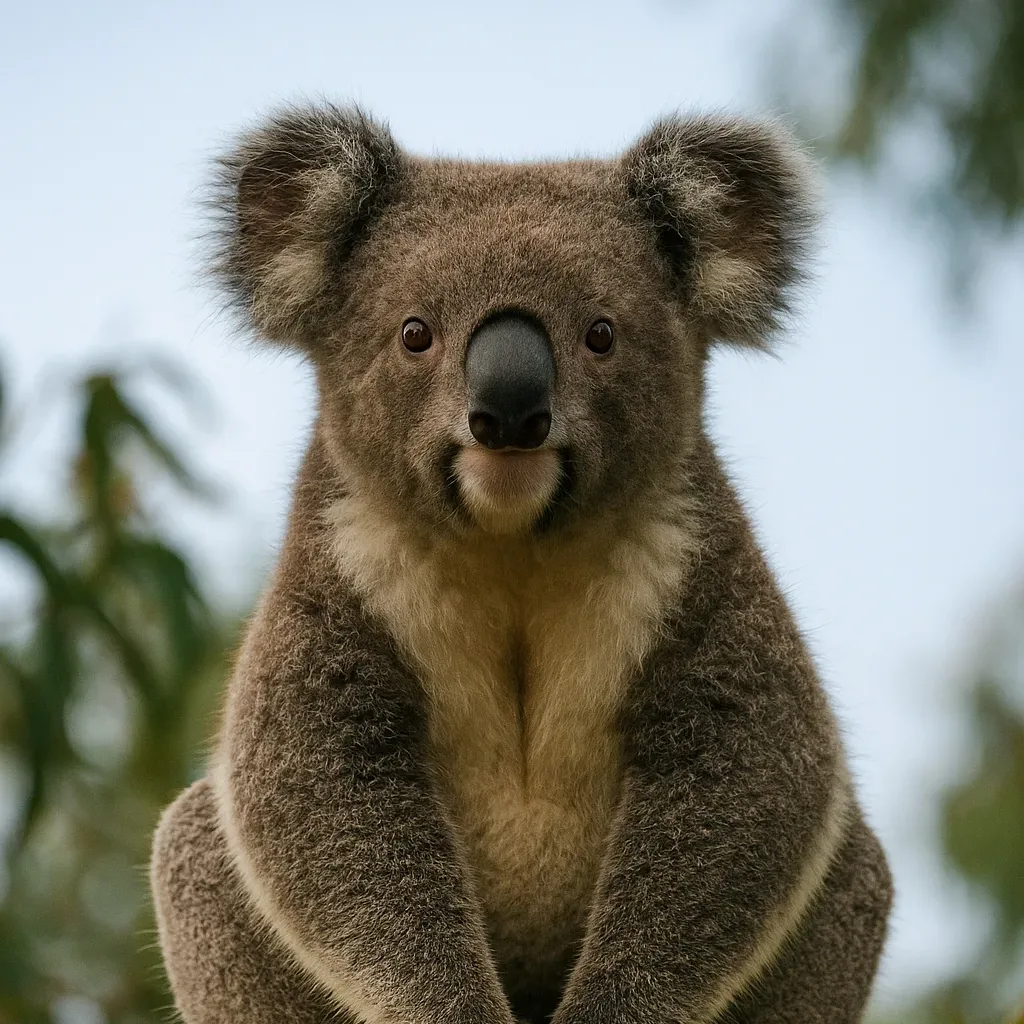
The koala, a marsupial native to Australia, is often mischaracterized as a bear due to its appearance and common name: "koala bear." However, despite what their name might suggest, koalas are not bears and are known for their languid nature, spending up to 20 hours a day resting or sleeping. This behavior contrasts sharply with the active and robust image usually associated with bears, illustrating the mismatch in its name and behavior.
🔎 Key Takeaways
- The koala is not a bear and demonstrates behavior unlike that of a typical bear.
- Koalas are marsupials and are known for their very sedentary lifestyle.
- Koalas sleep up to 20 hours a day due to their low-energy diet of eucalyptus leaves.
- Weighing about 4–15 kg, koalas are less than a quarter the size of many bear species, like the grizzly bear which can weigh up to 360 kg.
🧬 Why It Happens
Koalas have adapted to a nutrient-poor diet consisting predominantly of eucalyptus leaves, which are fibrous and low in calories. This diet necessitates long hours of inactivity to conserve energy, making sleep and rest a significant part of their daily routine.
Their metabolic rate is remarkably low, and their digestive systems have developed to detoxify the harmful compounds found in eucalyptus leaves. This specialized evolution allows them to thrive on a diet that many other animals cannot digest or tolerate.
Despite their misleading nickname, "koala bears," these animals are marsupials, which means their young are carried and suckled in a pouch. This reproductive behavior further distinguishes them from actual bears, which are placental mammals.
🌍 Where You Might See It
Koalas are native to the eucalyptus forests of Eastern Australia, where they often inhabit open forests and woodlands. They are arboreal and spend most of their lives in trees. Encounters with them usually occur in natural reserves or regions where eucalyptus trees are abundant.
⚠️ Practical Caution
- In general, observe koalas from a distance to avoid causing them stress.
- Keep noise to a minimum when in regions where koalas are present.
- Do not attempt to feed or interact physically with koalas.
- Report any injured or distressed koalas to local wildlife authorities.
- Follow local guidance on how to responsibly enjoy koala habitats.
Maintaining a respectful distance and limiting human interaction helps ensure the wellbeing of koalas. Always adhere to the signs and guidelines provided by wildlife reserves.
For more fascinating insights into the animal kingdom, visit AnimalsGuidebook.com.