🐾 The animal that uses tools in the wild: New Caledonian crow
Primary subject: New Caledonian crow — Corvus moneduloides
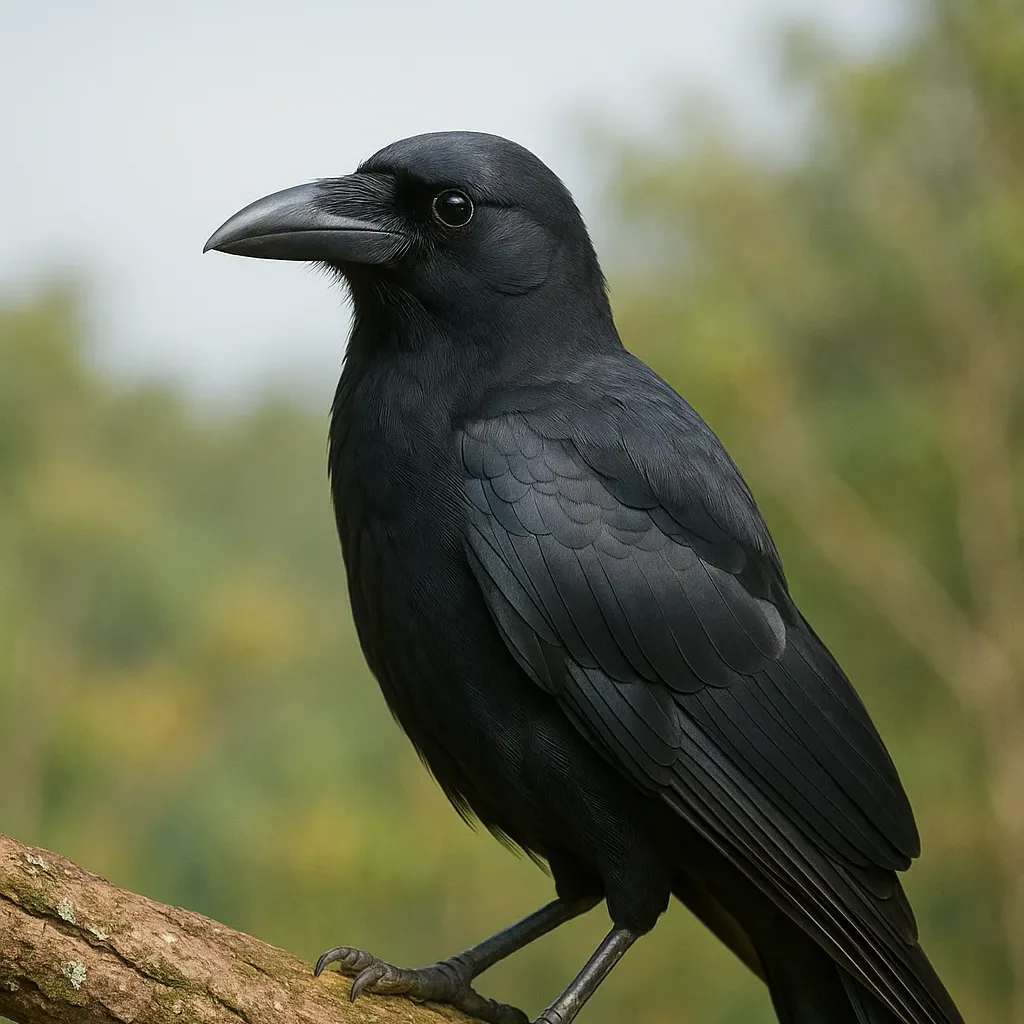
The New Caledonian crow is known for its remarkable ability to use tools in the wild. These intelligent birds can craft and utilize tools to forage for food, showcasing sophisticated problem-solving skills. The core reason for their tool-use prowess lies in their advanced cognitive abilities.
🔎 Key Takeaways
- The New Caledonian crow is an animal observed using tools in its natural habitat.
- The primary reason is their advanced problem-solving and cognitive abilities.
- They are reported to use sticks and leaves to extract insects from tree bark.
- Crows have a brain-to-body size ratio similar to that of chimpanzees.
🧬 Why It Happens
New Caledonian crows have a unique ability in the animal kingdom to manufacture tools. Their intelligence is highlighted by their ability to shape sticks into hooks or barbed probes, which allows them to reach insects in hard-to-access places. This behavior demonstrates sophisticated cognitive processes comparable to those seen in great apes.
Their tool-making skills are particularly impressive given that they use tools on par with some primates. New Caledonian crows can even adapt and improve their tools based on different tasks, indicating advanced learning abilities. This capability is due in part to their relatively large brains, which are comparable in ratio to body size to those of great apes.
The complexity of their problem-solving skills also stands out. For instance, they have been observed using sequential use of tools, where they modify one tool to make another, more efficient tool to achieve their goal, showcasing their flexibility and creativity.
🌍 Where You Might See It
New Caledonian crows are found exclusively in the forests of New Caledonia, an archipelago in the Pacific Ocean. These dense forests provide a rich environment for the crows to practice their tool-making skills, primarily when foraging for insect larvae hidden within tree bark or otherwise inaccessible crevices.
⚠️ Practical Caution
- Admire these remarkable birds from a safe and respectful distance.
- Avoid disturbing their natural habitat, as this can disrupt their tool-use behaviors.
- In general, do not feed wild animals, which can lead to dependency and behavioral changes.
- Respect local wildlife regulations and guidelines to ensure minimal human impact.
- Dispose of your litter properly to maintain the cleanliness and safety of their environment.
Always maintain calm behavior when observing wildlife and follow local guidance to protect both yourself and the animals.
Discover more about fascinating wildlife across the globe by visiting our homepage: AnimalsGuidebook.com