🐾 An animal so strange it looks fake: Leaf-tailed gecko
Primary subject: Leaf-tailed gecko — Uroplatus spp.
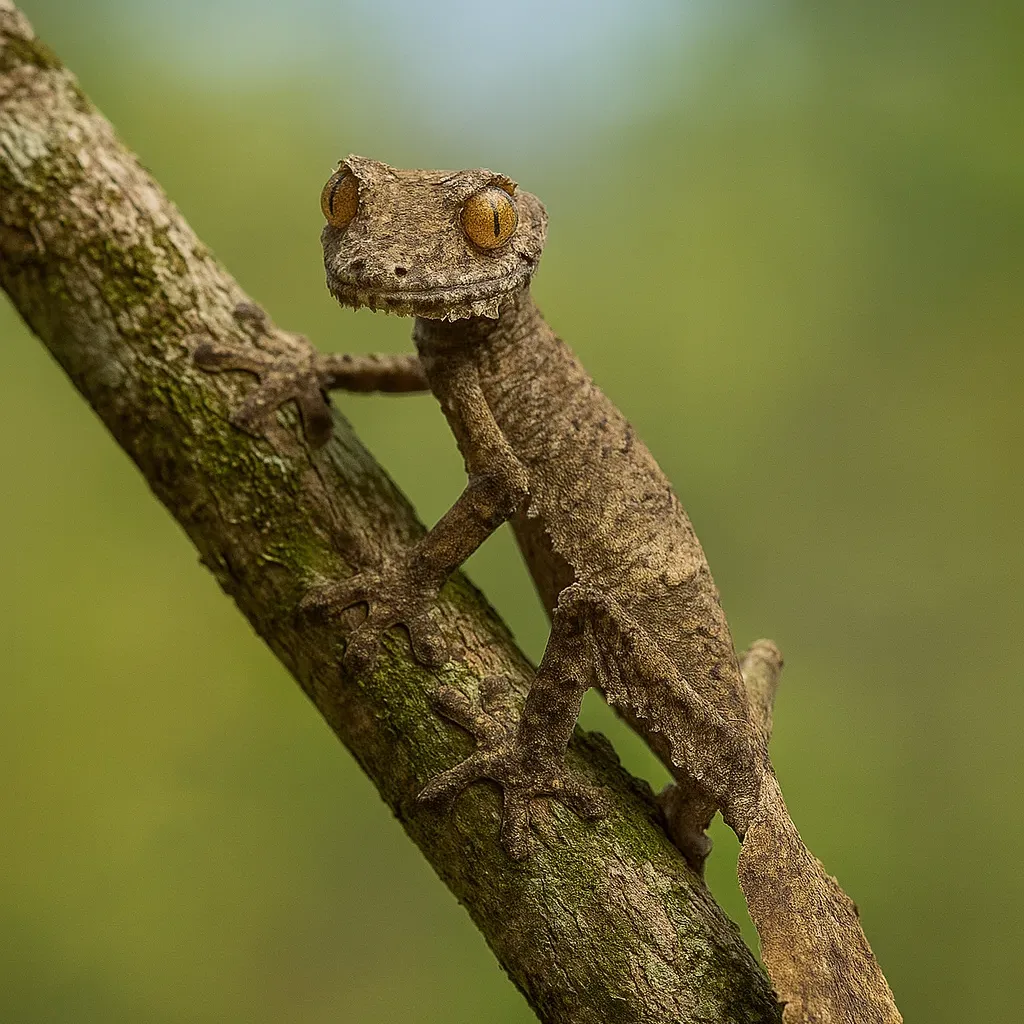
The leaf-tailed gecko is an animal so bizarre in appearance that it often appears unreal. This unique reptile's camouflage is so advanced that it seamlessly blends in with the forest foliage, creating the perfect illusion. With its leaf-shaped tail and textured body, it stands as a masterpiece of evolutionary adaptation in the animal kingdom.
🔎 Key Takeaways
- The leaf-tailed gecko is known for its exceptional camouflage abilities that make it look like a leaf.
- Its primary threat-avoidance strategy is blending in with its surroundings to avoid predators.
- Leaf-tailed geckos can measure up to 30 centimeters in length, with their distinctive tail contributing significantly to this size.
- These geckos have a body mass comparable to a deck of cards, making them lightweight but agile.
🧬 Why It Happens
The leaf-tailed gecko's appearance serves as a prime example of natural selection favoring camouflage. Its uncanny resemblance to leaves, including coloration, edges, and even the appearance of veins, reduces predation risk significantly. This level of mimicry helps it go largely unnoticed among canopy foliage.
The tail of the leaf-tailed gecko, which is not only leaf-shaped but also flexible, plays a crucial role in its disguise. The ability to flatten this tail against tree branches enhances the illusion of being part of the foliage. Additionally, their lightweight nature aids in traversing the forest canopy more efficiently, avoiding detection.
Possessing a mottled pattern that breaks up their body outline further keeps these geckos hidden from potential threats. This unique adaptation is essential for their survival, as they inhabit areas teeming with predators.
🌍 Where You Might See It
Leaf-tailed geckos are primarily found in Madagascar's forests, from coastal lowlands to montane regions. This diverse range offers varied habitats where they can effectively use their camouflage abilities. Often, they are spotted clinging to trees, perfectly mimicking the local flora.
⚠️ Practical Caution
- If exploring areas where leaf-tailed geckos exist, move slowly and observe closely to avoid disturbing them.
- Refrain from touching or handling any wildlife unnecessarily, as this can stress the animals and disrupt their natural behavior.
- Follow local guidelines if they are in place to protect these unique creatures and their habitats.
- Use binoculars or cameras with zoom features to appreciate their beauty without getting too close.
- Stay on designated paths when hiking in protected areas to minimize environmental impact.
- Respect the natural environment by avoiding littering and keeping noise levels low.
In general, appreciating these geckos from a distance ensures both their safety and your own. Always maintain a respectful distance and adhere to local conservation advice.
Discover more astonishing animal adaptations by visiting our homepage at AnimalsGuidebook.com.