🐾 This animal can “smile” right before it attacks: Crocodile
Primary subject: Crocodile — Crocodilia (order)
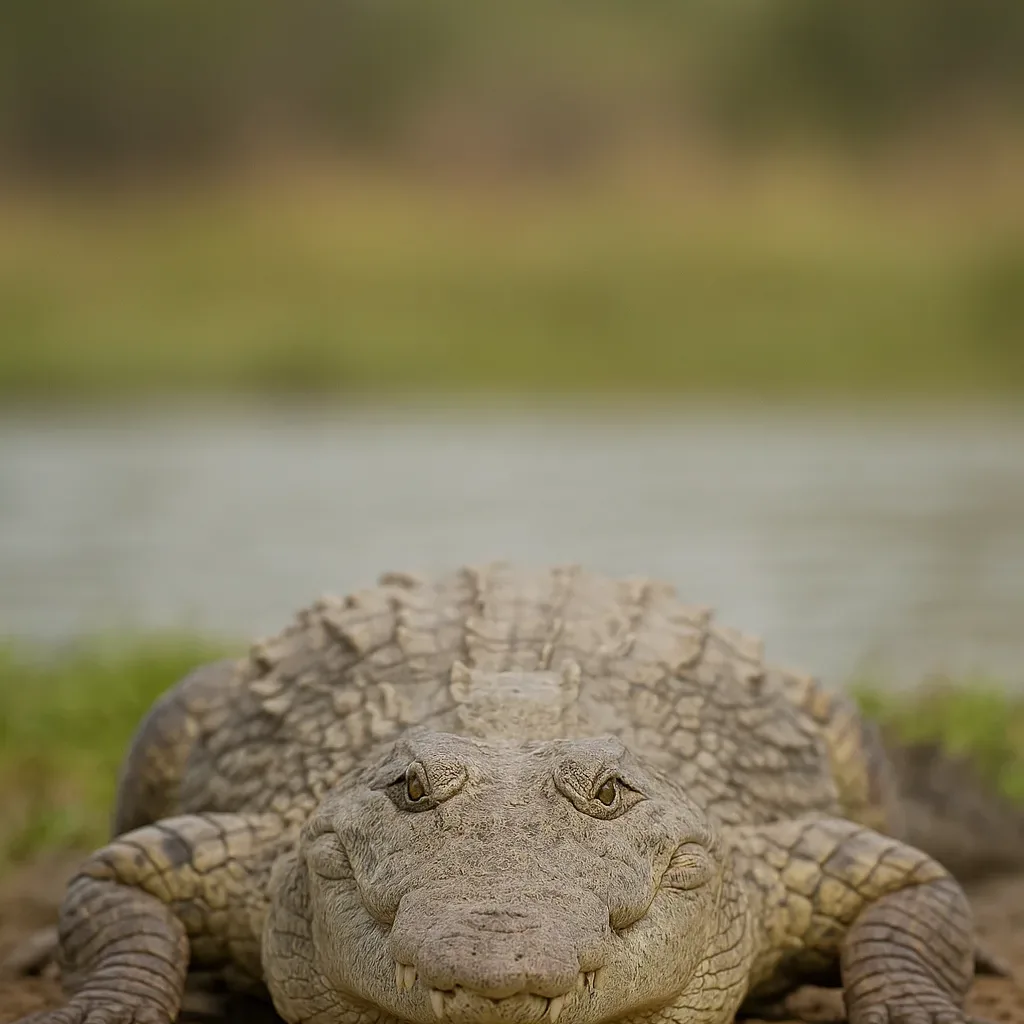
Crocodiles are known to "smile" before striking because the upturned shape of their jaws gives the appearance of a grin. This formidable predator often lies in wait with just its eyes and nostrils above water, a deceptive look that masks its true intentions. The unsettling grimace is nature's deceptive camouflage, blending calm appearance with predatory action.
🔎 Key Takeaways
- The crocodile can appear to smile before attacking due to the natural curve of its jawline.
- This “smiling” appearance is primarily a result of anatomical structure aiding in their hunting strategy.
- Crocodiles have an extremely powerful bite force ranging from about 3,000 to 5,000 psi, far surpassing many other predators.
- Despite their heavy build, some species can reach speeds of up to 22 mph in short bursts on land.
🧬 Why It Happens
The anatomical structure of the crocodile's jaw causes a natural upward bend, giving the impression of a smile. This feature not only aids in blending with the surroundings but also plays a crucial role in effective predation as it focuses the force behind their potent bite.
Crocodiles are adept ambush predators. Their eyes and nostrils positioned on top of the head allow them to remain mostly submerged and fewer visual clues are given away. This predatory advantage combines with their “smile” to craft a deceptive appearance while waiting to lunge at prey.
Furthermore, crocodiles' physiology includes extremely strong jaw muscles capable of delivering a bite force around 3,000 to 5,000 psi, which is instrumental in swiftly securing prey in the wild.
🌍 Where You Might See It
Crocodiles inhabit tropical regions and are commonly found in freshwater bodies such as rivers, lakes, and marshes. Their adept ability to stay hidden just below the water surface is a strategy commonly used in hunting. Typically, this behavior is seen where water movement is minimal and patience is required in waiting for prey to come close.
⚠️ Practical Caution
- Maintain a safe distance from water bodies where crocodiles are known to reside.
- Stay aware of signage or local advisories about crocodile presence.
- Refrain from swimming in areas specified as crocodile habitats.
- Be cautious near the water's edge, especially in murky or low-visibility conditions.
- In general, avoid feeding or provoking any wildlife, including crocodiles.
- Keep pets and children away from the water's edge in known crocodile areas.
Remember, maintaining distance from wildlife, remaining calm, and following local safety guidance can reduce the risk of unwanted encounters.
For more fascinating insights into the animal kingdom, visit AnimalsGuidebook.com.