🐾 The only bear that may see humans as prey: Polar bear
Primary subject: Polar bear — Ursus maritimus
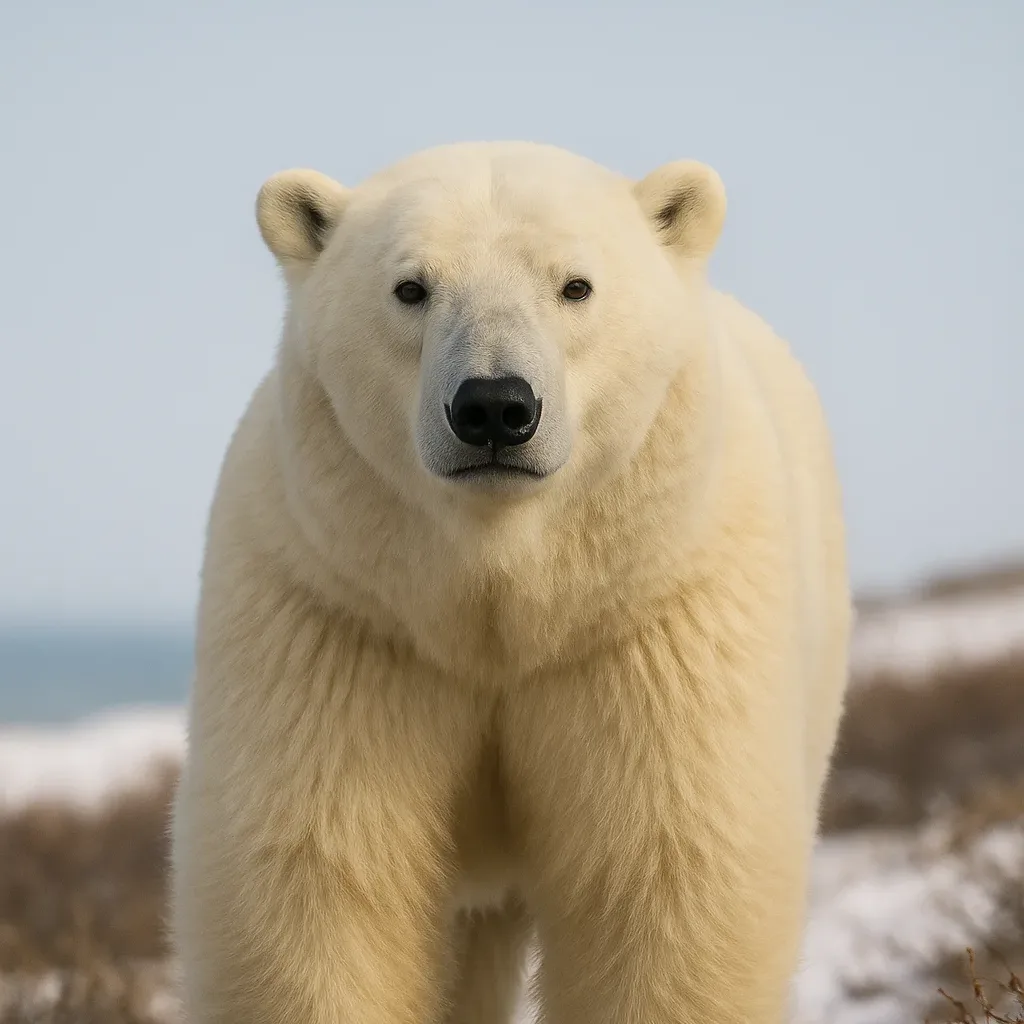
The polar bear is the only bear species that may actively see humans as prey due to its unique predatory nature. This behavior is primarily driven by their high-energy requirements. Polar bears are apex predators and have been known to hunt large mammals, including potentially humans in their natural hunting range.
🔎 Key Takeaways
- Polar bears may see humans as prey primarily because they are apex predators with high-energy dietary needs.
- Their hunting behavior is driven by the need to consume large quantities of seal blubber, which provides necessary energy.
- Polar bears can weigh between 900 and 1,600 pounds, about the weight of a small car, making them powerful hunters.
- They are capable of traveling more than 30 miles a day in search of food, illustrating their endurance and hunting prowess.
🧬 Why It Happens
Polar bears are specially adapted to their Arctic environment, relying on a high-fat diet primarily consisting of seals. To sustain their large body mass, polar bears must consume significant amounts of fat, leading them to predominantly hunt seals through stalking and ambushing on sea ice.
The scarcity of food in their icy habitat sometimes drives them to investigate other sources of sustenance, which can include humans if encountered. Polar bears possess a powerful sense of smell, known to detect prey from miles away, increasing their effectiveness as hunters.
With their impressive physical capabilities, including a bite force strong enough to crush bones and a swimming speed of up to 6 mph, polar bears are well-equipped to take on large prey, including seals, and potentially humans in extreme circumstances.
🌍 Where You Might See It
Polar bears inhabit the Arctic regions, which include areas like Canada, Alaska, Russia, Greenland, and Norway. They are often found on sea ice, where they hunt for seals. Human interactions might occur in remote Arctic locations where people venture into their territory.
⚠️ Practical Caution
- Maintain a safe distance and never approach a polar bear.
- Avoid traveling alone in polar bear habitats; travel in groups if possible.
- Secure food sources and dispose of waste properly to not attract bears.
- Make noise to alert bears of your presence, reducing chances of surprise encounters.
- Carry bear deterrence tools as advised by local wildlife authorities.
Always respect and maintain a healthy distance from wildlife. Following local safety guidelines is crucial when in or near polar bear territories.
Discover more about fascinating animals at AnimalsGuidebook.com.