🐾 The most dangerous herbivore on Earth: Hippopotamus
Primary subject: Hippopotamus — Hippopotamus amphibius
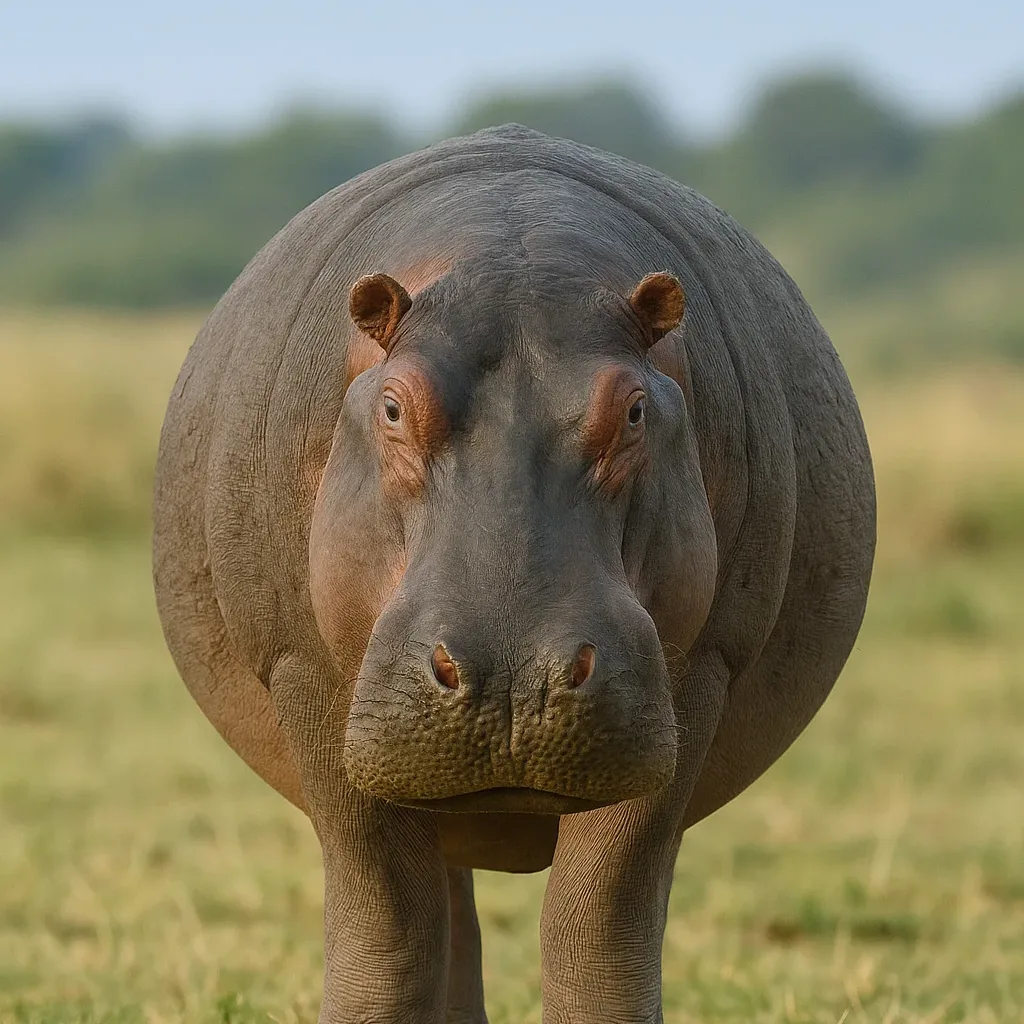
Despite their plant-based diet, hippopotamuses are considered the most dangerous herbivores on Earth largely due to their aggressive nature and territorial behavior. Responsible for more human fatalities in Africa than any other large animal, hippos are known to attack with little provocation.
🔎 Key Takeaways
- Hippopotamuses are the most dangerous herbivores on Earth due to their aggressive behavior.
- Their territorial nature and strong defensive instincts are the main reasons.
- Hippos can weigh between 1,400 to 4,500 kilograms, making them larger than most cars.
- They can run at speeds up to 30 km/h, faster than an average human sprinter.
🧬 Why It Happens
Hippopotamuses possess oversized teeth and powerful jaws, capable of delivering a bite force of approximately 8,100 newtons. This strength allows them to defend their territory effectively against perceived threats, including humans and other animals.
Their aggressive behavior stems from their social structure, where dominant males defend their waterways fiercely. When they perceive an intrusion, their natural response is to attack rather than flee. This makes them particularly dangerous to any who unknowingly venture too close.
Despite being herbivores, their diet primarily consists of grass, but hippos spend significant time in water, where their aggressive nature and size make them formidable. In water, their bulk is buoyed, allowing them to maneuver with surprising agility.
🌍 Where You Might See It
Hippopotamuses are primarily found in sub-Saharan Africa, inhabiting rivers, lakes, and mangrove swamps. They are more active at night, spending their days submerged in water to keep cool. Human interactions usually occur near water bodies, where hippos may perceive boats and people as intruders.
⚠️ Practical Caution
- In general, maintain a safe distance from hippos, especially when near water bodies.
- Stay in marked paths and listen to local guidance when visiting hippo habitats.
- Use binoculars or a camera zoom for viewing instead of approaching physically.
- In case of a hippo sighting while boating, quietly move away without sudden movements.
- Be extra cautious during the night when hippos are more likely to be on land.
In general, keeping a respectful distance and avoiding sudden actions can help prevent negative encounters with hippos. Always follow regional safety advisories to ensure a safe experience in hippo territories.
For more information on fascinating animals, visit AnimalsGuidebook.com.