🐾 Once it targets you, it won’t stop chasing: Cape buffalo
Primary subject: Cape buffalo — Syncerus caffer
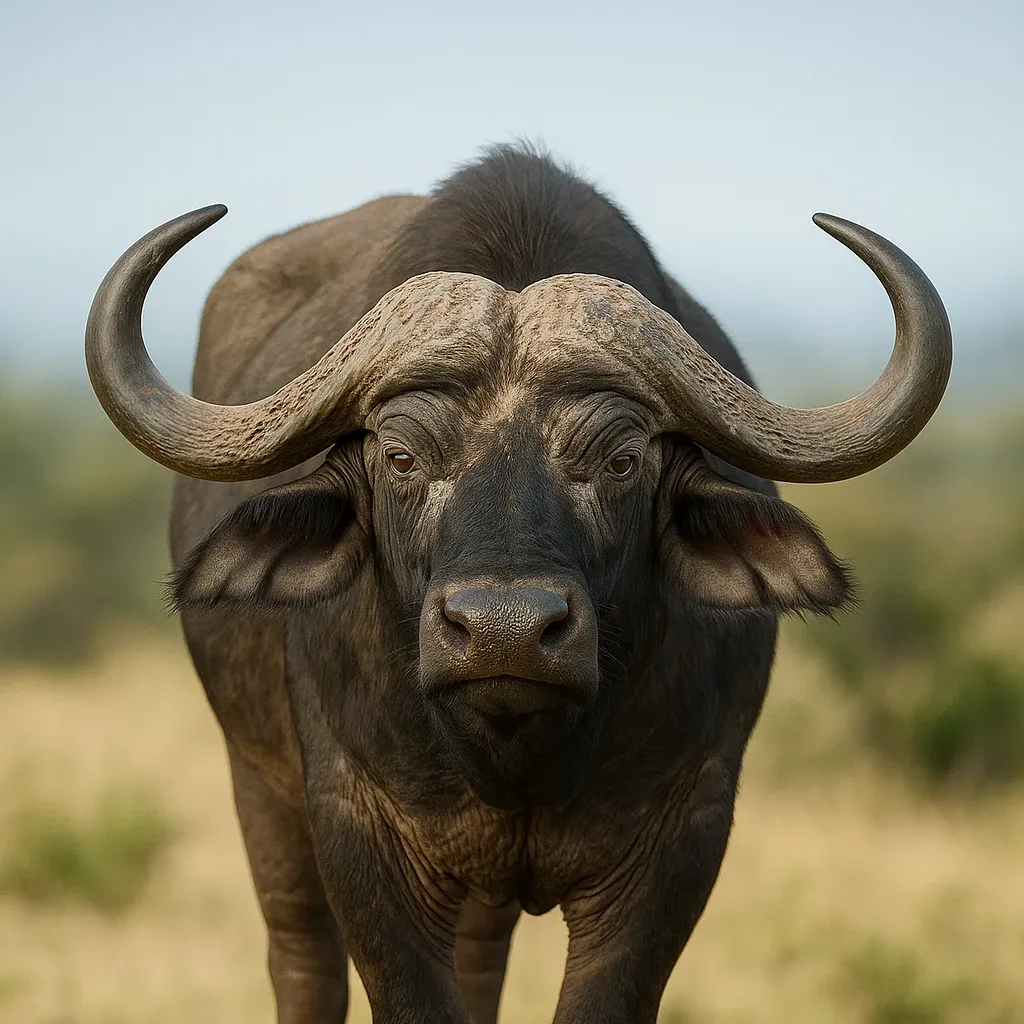
Cape buffalo, known for their relentless pursuit, is a formidable animal when threatened. Once a Cape buffalo perceives a threat, it can tirelessly charge at the intruder, a behavior rooted in its protective nature and social structure.
🔎 Key Takeaways
- Cape buffalo may relentlessly pursue perceived threats.
- This behavior is driven by social defense instincts.
- They can weigh up to 1,000 kg (approximately the weight of a small car) and run at speeds up to 57 km/h (35 mph).
- Known as "Black Death," these creatures are responsible for around 200 human fatalities each year in Africa.
🧬 Why It Happens
The Cape buffalo's tenacity is partly due to its protective instincts towards its herd. As highly social animals, they form large groups of up to several hundred individuals, making group defense a natural behavior.
When threatened, buffalo possess great physical power and are capable of swift charges. With their massive horns and powerful build, a charging buffalo can cause significant damage, reinforcing their readiness to defend.
Their memory also plays a role; Cape buffalo have been observed to remember both predators and nuisances, potentially targeting them relentlessly in future encounters.
🌍 Where You Might See It
Cape buffalo are commonly found in sub-Saharan Africa, dwelling in a variety of habitats from savannas to floodplains. Chances of encountering them are higher around water sources, where they graze and hydrate in groups.
⚠️ Practical Caution
- Maintain a safe distance from any Cape buffalo herd in the wild.
- Stay calm and avoid sudden movements if a buffalo is nearby.
- Never attempt to provoke or corner a buffalo.
- Follow local wildlife advisories and guidance when in buffalo territory.
- Consider wildlife guides or experts to ensure a safe safari experience.
In general, give buffalo ample space and respect their habitat to reduce the risk of a dangerous encounter. Calm and measured behavior is key, along with adhering to local guidance on wildlife safety.
For more fascinating insights into wildlife, visit our homepage at AnimalsGuidebook.com.