🐾 One hit can drop a lion—here’s the animal: Giraffe
Primary subject: Giraffe — Giraffa camelopardalis
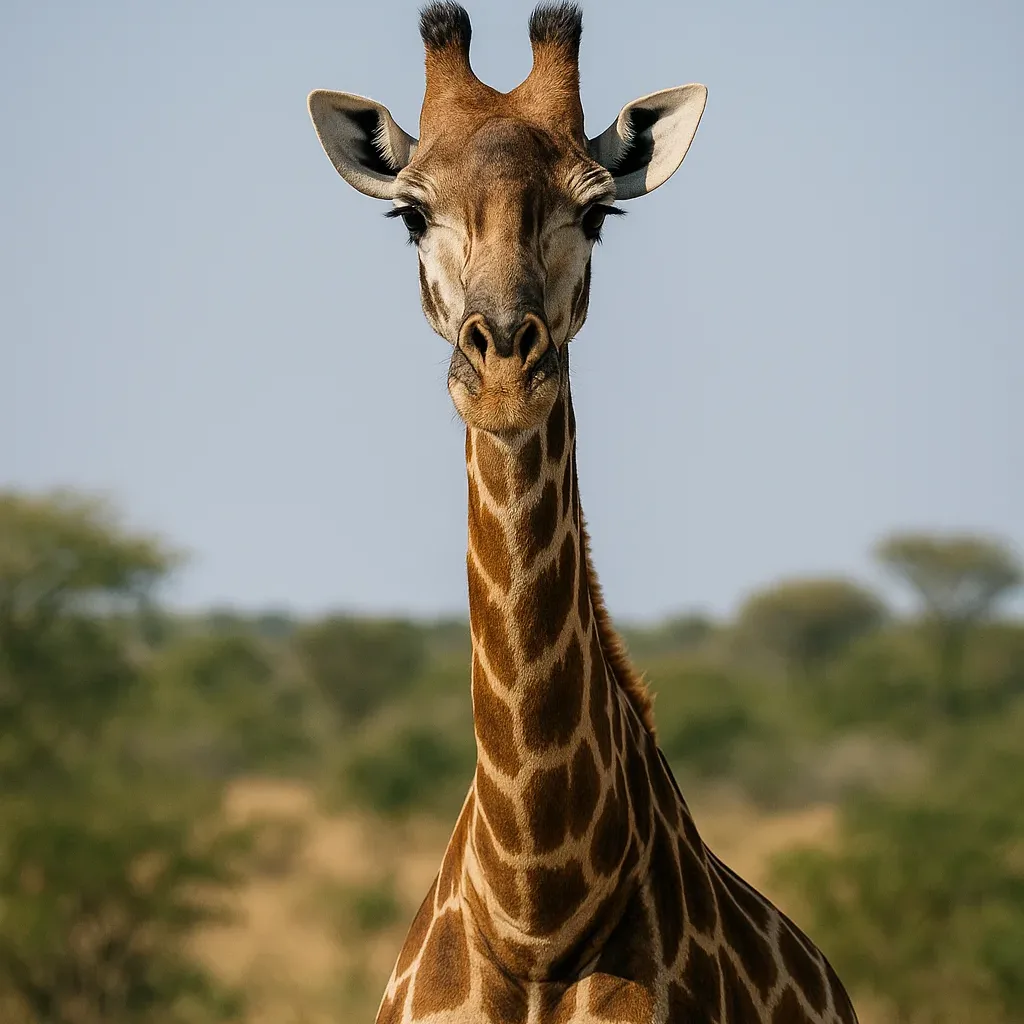
The giraffe, with its powerful legs and hefty kicks, is the animal capable of delivering a blow strong enough to incapacitate a lion. One well-placed kick from these towering herbivores can cause serious injury to potential predators. The giraffe's formidable kicking ability is its primary defense mechanism.
🔎 Key Takeaways
- Giraffes can incapacitate a lion with a single kick.
- Their powerful hind legs are the main defensive weapon.
- A giraffe's kick can deliver a force exceeding 2,000 pounds per square inch.
- Standing up to 20 feet tall, their legs can easily reach any predator within range.
🧬 Why It Happens
Giraffes have evolved strong, muscular legs that enable them to deliver powerful kicks capable of defending against predators such as lions. Their legs are not only long but are supported by a robust musculoskeletal structure that allows for tremendous force upon impact.
An adult giraffe can weigh between 2,400 to 3,000 pounds, providing them the mass behind each kick that can reach a force of more than 2,000 psi. This makes their kick one of the most dangerous moves in the animal kingdom. Comparatively, a lion's bite force is about 650 psi, which illustrates just how impactful a giraffe's kick can be.
Giraffes use their superior height and visual range to spot predators from a distance, typically roaming open savannahs where visibility is high. Their keen eyesight and high vantage point allow them to detect threats early, using their kicks as a last line of defense when escape is not an option.
🌍 Where You Might See It
Giraffes are commonly found across the savannahs, grasslands, and open woodlands of sub-Saharan Africa. Their interactions with lions typically occur when lions attempt to prey on vulnerable giraffes, especially the young or sick individuals. However, adult giraffes stand a strong chance of fending off attacks thanks to their defensive kicks.
⚠️ Practical Caution
- Maintain a respectful distance from giraffes, especially in the wild.
- Observe their behavior quietly and avoid sudden movements that may startle them.
- Follow local guidelines and directives for wildlife viewing in their natural habitats.
- Avoid approaching giraffes with young calves as they are more likely to defend aggressively.
- If on a safari, remain inside vehicles and follow the guidance of experienced guides.
Maintaining distance and calm behavior is key to safety around giraffes. Always prioritize following local wildlife expertise and guidelines.
For more incredible insights into the animal kingdom, visit our homepage: AnimalsGuidebook.com