🐾 Why this animal’s hunt fails more than you’d expect: Lion
Primary subject: Lion — Panthera leo
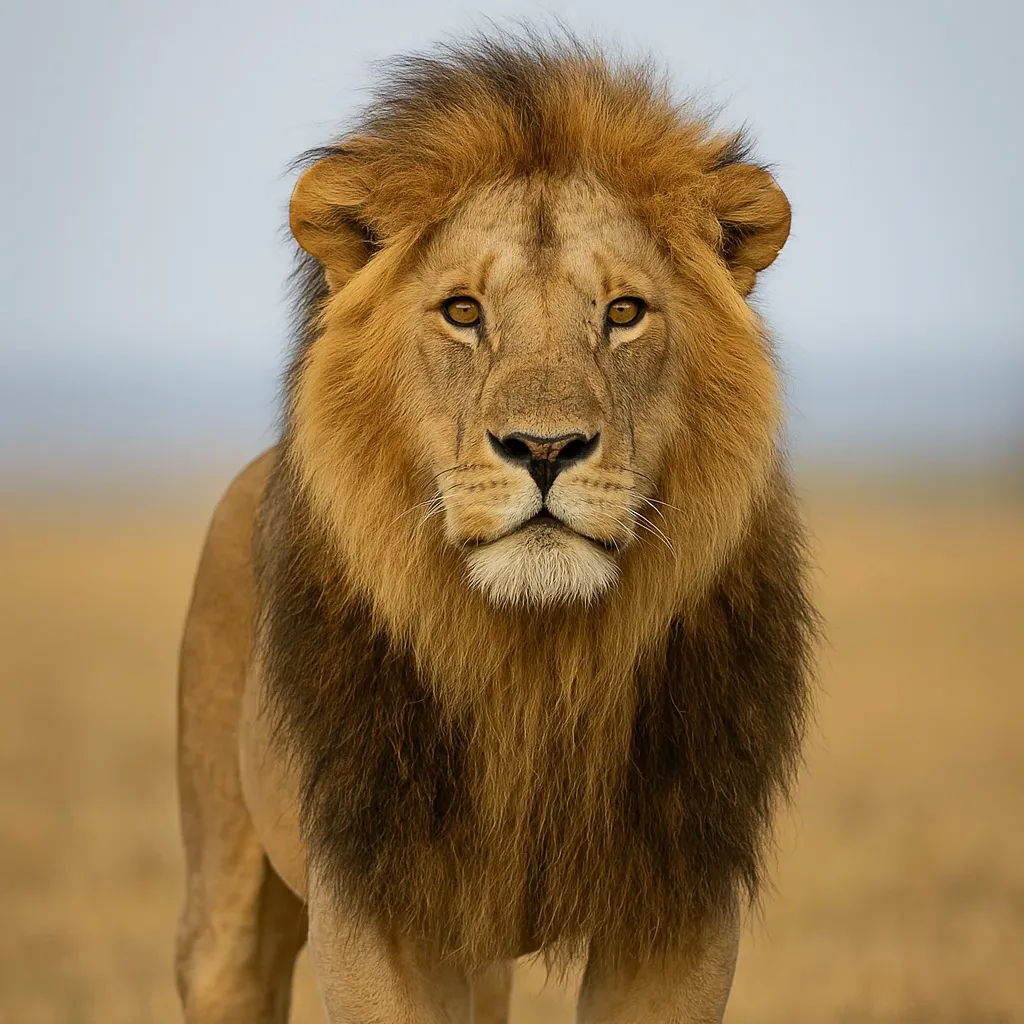
Despite their fearsome reputation, lions often experience failed hunts due to the challenges of the savannah. The primary reason their hunts frequently fail is because of the unpredictability of their prey and the high energy costs involved. Lions typically succeed in only about 20 to 30% of their hunts.
🔎 Key Takeaways
- Lions' hunts fail more often than one might expect because of prey unpredictability and high energy costs.
- The main reason for their hunting failures is the prey's ability to detect and evade, coupled with the lions' need to conserve energy.
- Lions succeed in only about 20–30% of their hunts.
- A lion's sprinting speed can reach up to 50 mph, but they can only maintain this for short distances.
🧬 Why It Happens
Lions typically hunt in groups, known as prides, which should theoretically increase their success rate. However, their prey has evolved keen senses that help them detect and escape lions' approach. This evasion is more efficient when prey animals are in herds, creating a formidable collective awareness.
The energy demands of a chase are significant for lions. Even though they can sprint up to 50 mph, this speed is only sustainable over short distances. This means they must be very close to their target before launching an attack. Failure to quickly capture prey can leave them exhausted and unable to continue hunting.
Additionally, the savannah environment poses another challenge. Open plains offer little cover for stalking, making it difficult for lions to remain undetected. The harsh conditions also mean that any caloric expenditure during a failed hunt is costly, impacting their overall energy reserves.
🌍 Where You Might See It
Lions inhabit the grasslands and savannas of sub-Saharan Africa. These wide-open spaces, while prime for spotting prey, offer little concealment, leading to frequent hunt failures. The varied landscape and abundance of prey animals make for a challenging environment for a successful hunt.
⚠️ Practical Caution
- In general, maintain a safe distance when observing lions in the wild.
- Stay within designated viewing areas to ensure both your safety and the safety of the lions.
- Avoid sudden movements or loud noises that could provoke a lion's attention.
- Follow local guidance and adhere to park ranger instructions.
- Observe lions from vehicles rather than on foot whenever possible.
Always prioritize your safety by keeping calm and respecting local regulations and guidance while observing wildlife in their natural habitats.
Discover more about the fascinating world of animals by visiting our homepage: AnimalsGuidebook.com