🐾 It doesn’t hunt solo—it hunts as a team: Orca
Primary subject: Orca — Orcinus orca
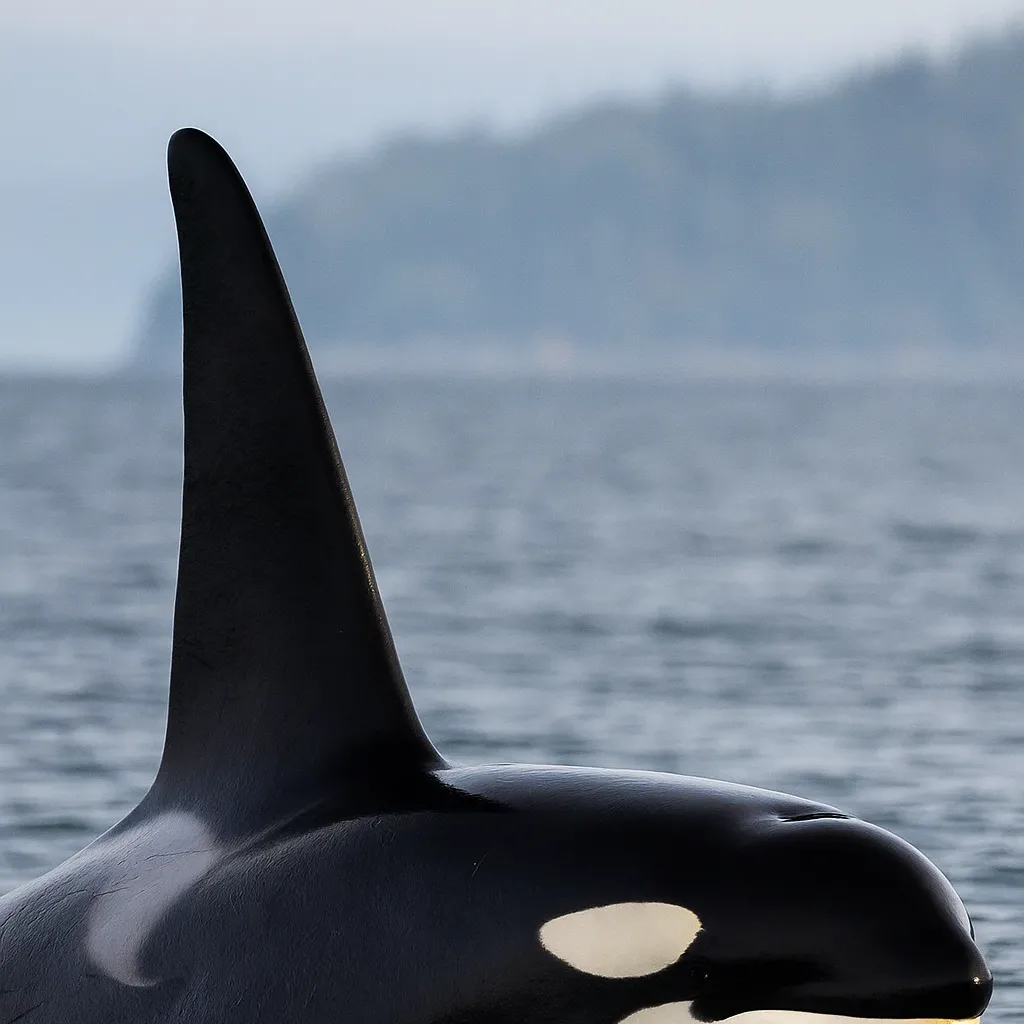
The orca, also known as the killer whale, is renowned for its sophisticated group hunting strategies, underscoring the notion that it "hunts as a team." These intelligent marine mammals work collaboratively to outsmart and capture their prey, using a range of social behaviors and communication techniques that are highly effective in their oceanic environments.
🔎 Key Takeaways
- Orcas hunt in coordinated groups to improve success rates.
- Social strategies and communication enhance their hunting efficiency.
- Orcas can travel up to 100 miles in a day while searching for food.
- Their pods can have as many as 40 or more individuals, enhancing their tactical advantage.
🧬 Why It Happens
Orcas employ their team hunting techniques due to their complex social structures and advanced communication skills, which allow them to execute well-coordinated strategies. They communicate using a series of vocalizations that can convey specific instructions to pod members, ensuring a synchronized effort during hunts.
This collaborative approach increases the chances of capturing elusive prey, such as seals or large fish. By encircling and confusing prey, orcas capitalize on their numbers and strategic maneuvers that would be impossible for a solitary hunter to achieve. In some cases, orcas have been observed creating waves to wash seals off ice floes, showcasing their ingenuity.
Orcas' ability to travel great distances in search of food can span roughly 100 miles in a single day; this extensive range allows them to follow seasonal prey migrations and maintain diverse diets. These physical capabilities, combined with their group dynamics, make them apex predators in their marine ecosystems.
🌍 Where You Might See It
Orcas are found in various marine environments across the globe, from the frigid Arctic and Antarctic regions to the temperate waters around the coasts of North America, Europe, and the southern hemisphere. They are most often seen in areas with abundant prey, such as sea lions, fish schools, and during seasonal migrations of marine mammals.
⚠️ Practical Caution
- Maintain a respectful distance from orca pods while boating or swimming.
- Use binoculars or cameras with zoom lenses to observe their behavior safely from afar.
- Refrain from activities that may provoke or disturb them, such as loud noises or rapid boat movements.
- Follow local wildlife viewing guidelines and regulations.
- Stay informed about orca activity and sightings in your area if planning ocean excursions.
In general, maintaining a calm demeanor and respecting the natural behaviors of orcas will help ensure a safe and enriching wildlife experience. Always follow local guidance and marine wildlife recommendations.
Discover more about the fascinating world of animals and wildlife at AnimalsGuidebook.com.