🐾 If it misses one hunt, it could starve: Cheetah
Primary subject: Cheetah — Acinonyx jubatus
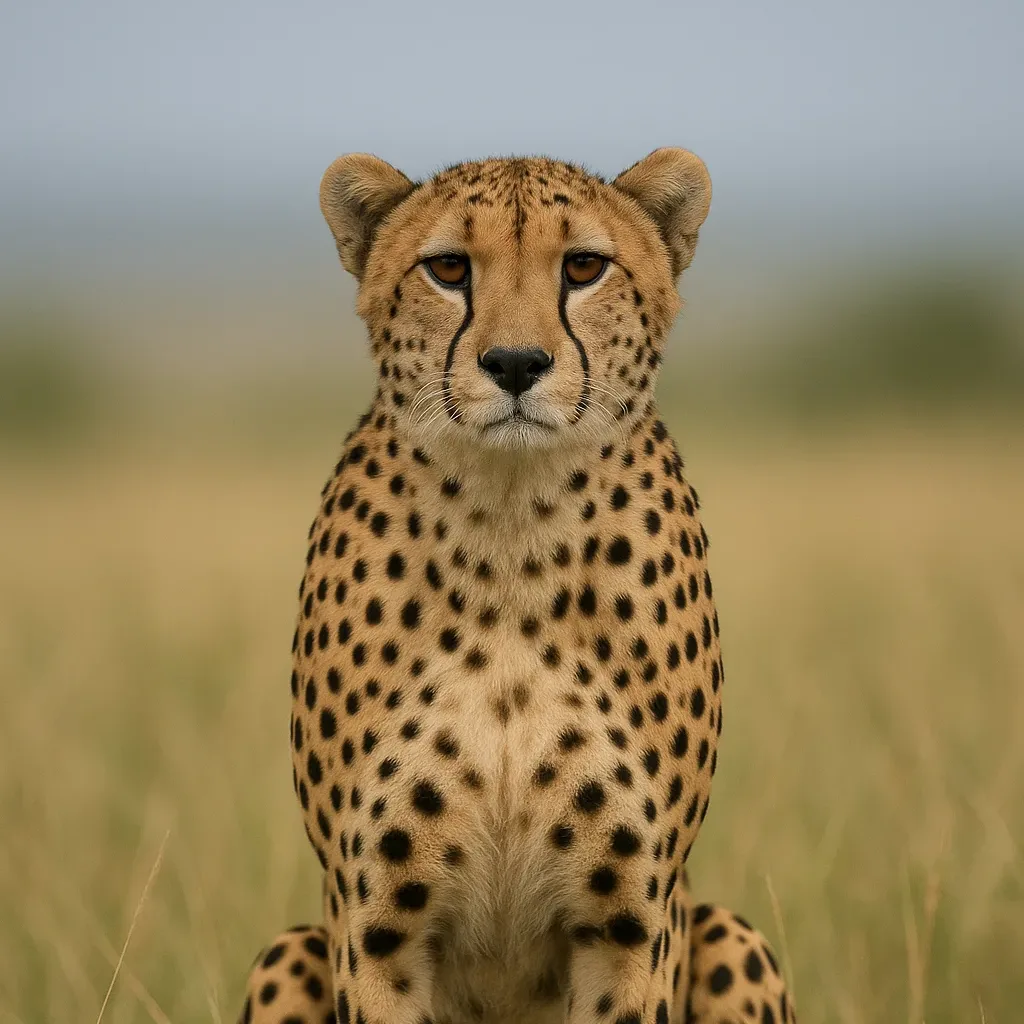
The cheetah is precariously dependent on its hunts. Unlike other big cats, if a cheetah misses even a single hunt, it risks starvation. This is primarily due to its high energy expenditure and low body fat reserves.
🔎 Key Takeaways
- Cheetahs rely heavily on successful hunts for survival.
- Their slender build lacks fat, making them vulnerable to energy deficits.
- Cheetahs can reach speeds of up to 60–70 miles per hour, but this is taxing on their energy reserves.
- A cheetah's sprint may last only around 20 seconds, consuming a large portion of its daily energy budget.
🧬 Why It Happens
Cheetahs are built for speed, not endurance or strength. This specialization allows them to accelerate to up to 60–70 miles per hour in just a few seconds. However, this explosive speed comes at a cost: an enormous energy expenditure is required to chase and catch prey.
Unlike lions or leopards, cheetahs cannot store significant energy reserves as fat. They possess a lean physique with minimal fat, making it crucial for them to eat regularly. Missing a hunt can mean missing a much-needed meal, bringing them closer to energy depletion.
The cheetah's hunting success also hinges on maintaining its body temperature. Their short bursts of speed can cause their body temperature to spike, necessitating rest before another attempt — a luxury they cannot afford if they consistently fail to catch prey.
🌍 Where You Might See It
Cheetahs are native to sub-Saharan Africa and are typically found in savannahs and arid regions. These open landscapes enable them to spot and sprint after prey like gazelles and other small ungulates. Observing cheetahs in protected reserves offers a glimpse into their challenging hunt-dependent lifestyle.
⚠️ Practical Caution
- If viewing cheetahs in the wild, maintain a respectful distance to avoid disrupting their activities.
- Use binoculars for observation rather than approaching them directly.
- Stay inside vehicles when on safaris in cheetah habitats.
- Follow local wildlife guidelines provided by experts and rangers.
- Avoid making loud noises that could startle wildlife.
In general, keeping a secure distance and observing quietly ensures both your safety and the well-being of these magnificent animals. Always adhere to the instructions of local wildlife authorities.
For more fascinating wildlife articles, visit our homepage at AnimalsGuidebook.com.