🐾 The animal that’s not afraid of people: Rhesus macaque
Primary subject: Rhesus macaque — Macaca mulatta
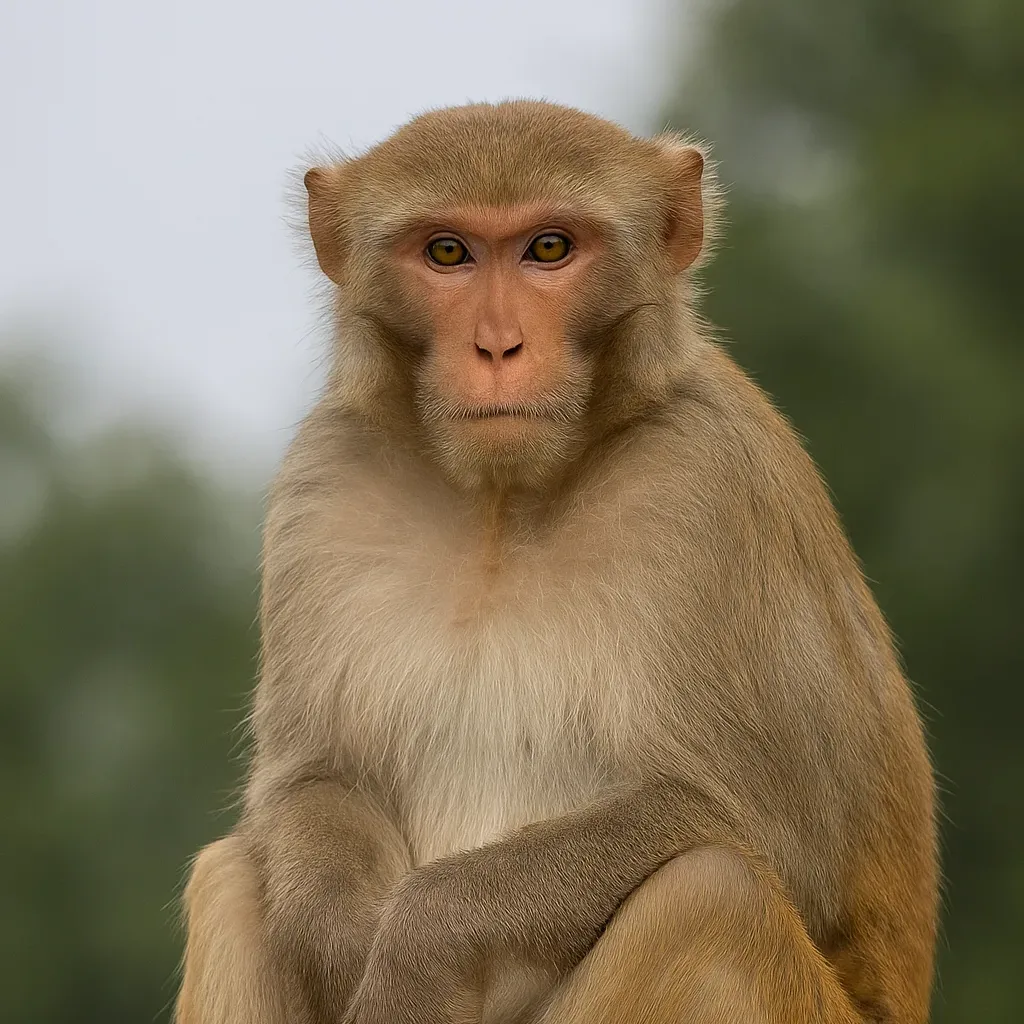
Rhesus macaques are remarkably comfortable around humans, often seen in crowded urban areas across Asia. This fearless behavior is predominantly because they have adapted to living alongside humans, exploiting food resources and shelter. Their high adaptability and social nature make them one of the most successful primate species in close proximity to people.
🔎 Key Takeaways
- Rhesus macaques are unafraid of humans and thrive in urban environments.
- They frequently adapt to human presence due to available food sources.
- The population of rhesus macaques is estimated at around 200,000 individuals in India alone.
- A rhesus macaque can weigh between 5–8 kg, similar to a small dog.
🧬 Why It Happens
Rhesus macaques' lack of fear towards humans is largely due to their evolutionary adaptation to urban environments where human food is abundant. They have learned to forage efficiently, making use of leftovers, garbage, and even being fed by people. This availability of food in human habitats reduces their risk of competition for resources, allowing for larger population sizes.
Social structure plays a significant role as well; macaques live in large groups which can consist of 20 to 200 individuals, often observed in cities. Within these groups, individuals can watch and learn from one another, especially younger macaques learning from adults how to navigate human settlements.
Moreover, rhesus macaques are highly intelligent and capable of complex problem-solving, assisting them in overcoming new challenges they face in urban environments. They can quickly adapt their behavior based on the activities of surrounding humans, showing an impressive degree of behavioral flexibility.
🌍 Where You Might See It
Rhesus macaques are commonly found in South, Central, and Southeast Asia. They have successfully colonized a variety of environments, from the streets of New Delhi to the temples of Thailand. These primates are particularly abundant in areas where human activities provide stable food sources.
⚠️ Practical Caution
- Stay calm and avoid direct eye contact if you encounter a rhesus macaque.
- Keep food and personal belongings secure to avoid attracting macaques.
- Do not attempt to feed wild macaques, as this can encourage aggressive behavior.
- Observe and enjoy them from a safe distance to prevent any stress to the animals.
- Follow local guidelines and warnings regarding macaque interactions.
It's crucial to maintain respect for wildlife, promoting positive coexistence between humans and rhesus macaques. Always prioritize caution and local advice in any wildlife encounter.
Explore more fascinating animal facts at AnimalsGuidebook.com.