🐾 The animal that injures tourists the most: Macaque
Primary subject: Macaque — Macaca spp.
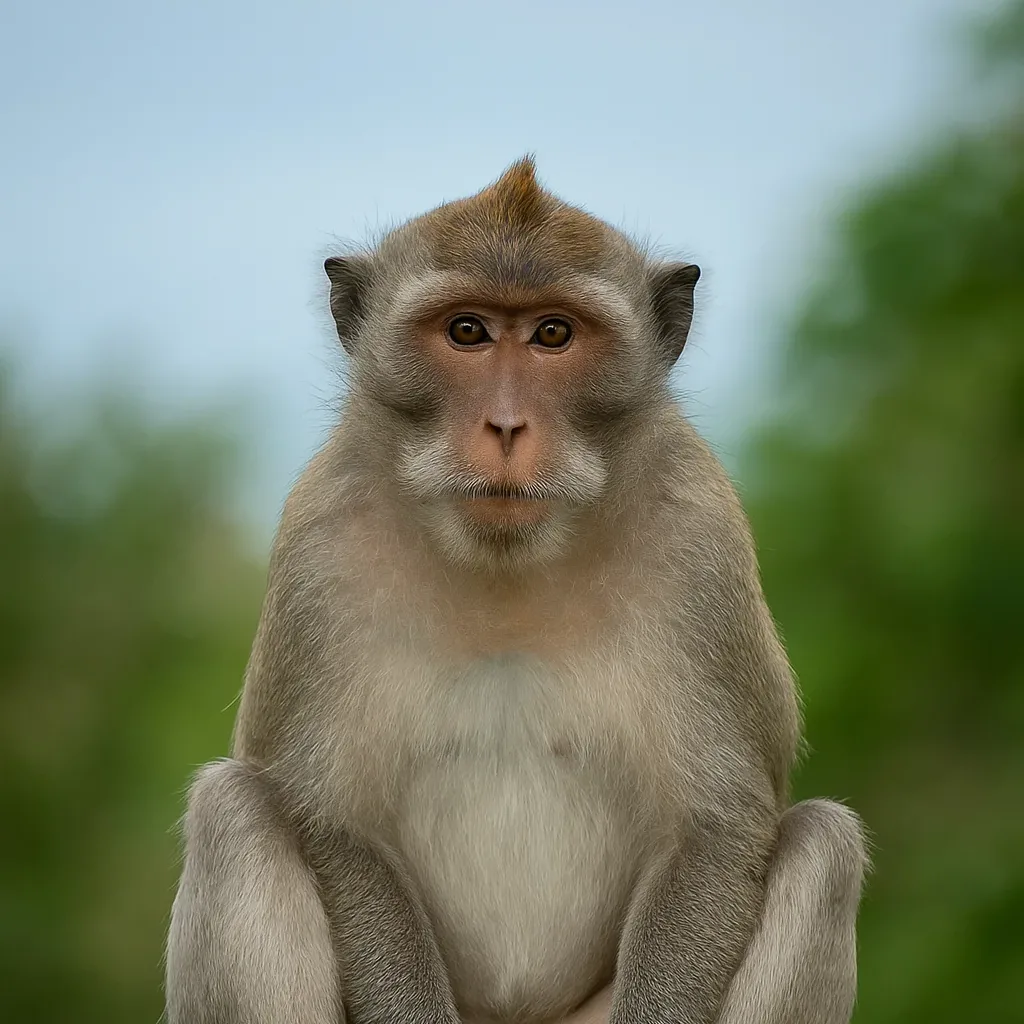
Surprisingly, the animal that often injures tourists is not a large predator, but the seemingly innocuous macaque. These primates are frequently involved in incidents due to their opportunistic behavior and affinity for human food. Macaques become aggressive when tourists unknowingly provoke them, leading to minor injuries like scratches and bites.
🔎 Key Takeaways
- The animal most frequently causing tourist injuries is the macaque.
- Macaques are drawn to human food, which leads to aggressive interactions.
- Approximately 50,000 macaques inhabit Bali, a popular tourist destination.
- These primates have about twice the bite force of a domesticated cat, making bites potentially dangerous.
🧬 Why It Happens
Macaques are highly intelligent and can easily learn that humans often carry food. When tourists feed them—intentionally or unintentionally—the monkeys quickly lose their natural fear of humans, leading to assertive or aggressive behavior. A bite from a macaque can transmit diseases, heightening the risk from seemingly minor injuries.
The social structure of macaques also contributes to their boldness. Living in troops, they protect each other and their territory fiercely, which can lead to aggressive acts if a tourist comes too close or if a group of tourists appears threatening. They can be particularly aggressive during breeding seasons or if protecting infants, as their defensive instincts are heightened.
🌍 Where You Might See It
Macaques are commonly found in Asia, with high populations in countries like Indonesia, Thailand, and Cambodia. Tourists are most at risk at popular nature reserves and temples where macaques roam free and interact frequently with visitors. These areas often become hotspots for human-macaque interactions.
⚠️ Practical Caution
- Maintain a respectful distance from macaques and do not attempt to feed or touch them.
- Secure all food and personal belongings to avoid attracting the monkeys.
- Stay calm if a macaque approaches; sudden movements can provoke them.
- Avoid eye contact and do not shout or wave arms aggressively near macaques.
- Follow local guidance and warning signs provided by park authorities.
- In general, traveling with a local guide can help mitigate risks in macaque-inhabited areas.
Remember to keep a safe distance and remain calm during encounters, following local guidance to ensure a safe experience for both visitors and wildlife.
For more insights on various animals and safety measures while traveling, visit our homepage at AnimalsGuidebook.com.