🐾 The animal that has forced villages to change everything: African elephant
Primary subject: African elephant — Loxodonta africana
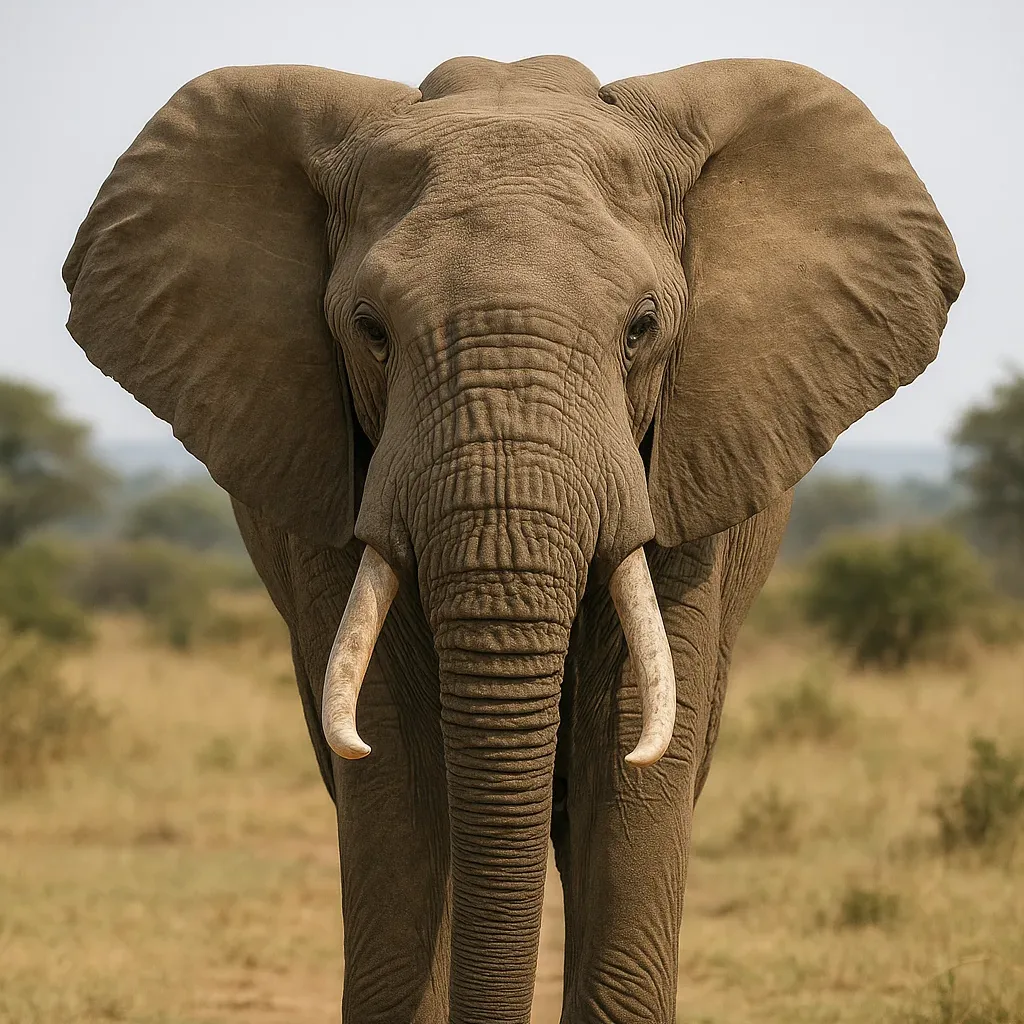
The African elephant is the majestic yet challenging force that often compels villages to radically alter their ways. Known for their immense size and intelligence, African elephants can disrupt human settlements due to their search for food and water. This interaction can lead to significant changes in village life to accommodate these giant creatures.
🔎 Key Takeaways
- African elephants are the primary reason villages in parts of Africa adapt their daily living.
- The need for food and water drives elephants into human settlements.
- African elephants can weigh up to roughly 6,000 kg, significantly impacting infrastructure.
- Their trunks, capable of lifting up to 300 kg, make it easy for them to forage through crops and facilities.
🧬 Why It Happens
African elephants are among the largest animals on Earth, and their sheer size means they require considerable amounts of food and water daily—up to 300 kg of food and 100 liters of water. When natural resources become scarce, they often venture into nearby villages.
Their cognitive abilities, comparable to primates, allow them to adapt quickly to new environments, making them adept at seeking resources in human areas. This intelligence, paired with their strength, makes them formidable visitors to rural communities.
Their travels can create pathways in forests and fields, sometimes destroying crops and leading to significant economic losses for local farmers. These circumstances often push villages to develop strategies to coexist with these animals, such as constructing elephant-proof barriers.
🌍 Where You Might See It
The African elephant is predominantly found in sub-Saharan Africa, inhabiting savannas, forests, and river valleys. Their interactions with human settlements often occur near protected areas or during dry seasons when they are driven to human development areas in search of sustenance.
⚠️ Practical Caution
- In general, maintain a respectful distance from African elephants to avoid conflict.
- Implement elephant-proof barriers around agricultural areas to protect crops.
- Utilize community-led early-warning systems to alert villagers of elephant presence.
- Secure water sources to prevent elephants from damaging infrastructure.
- Engage in local education programs to promote understanding and peaceful coexistence.
In summary, villages often must change their routines and structures to accommodate coexistence with African elephants. Maintaining distance and following local guidance can help ensure safety and harmony.
Interested in learning more about wildlife and their fascinating interactions with humans? Visit our homepage for more insightful articles: AnimalsGuidebook.com