🐾 The predator of predators (yes, it exists): Orca
Primary subject: Orca — Orcinus orca
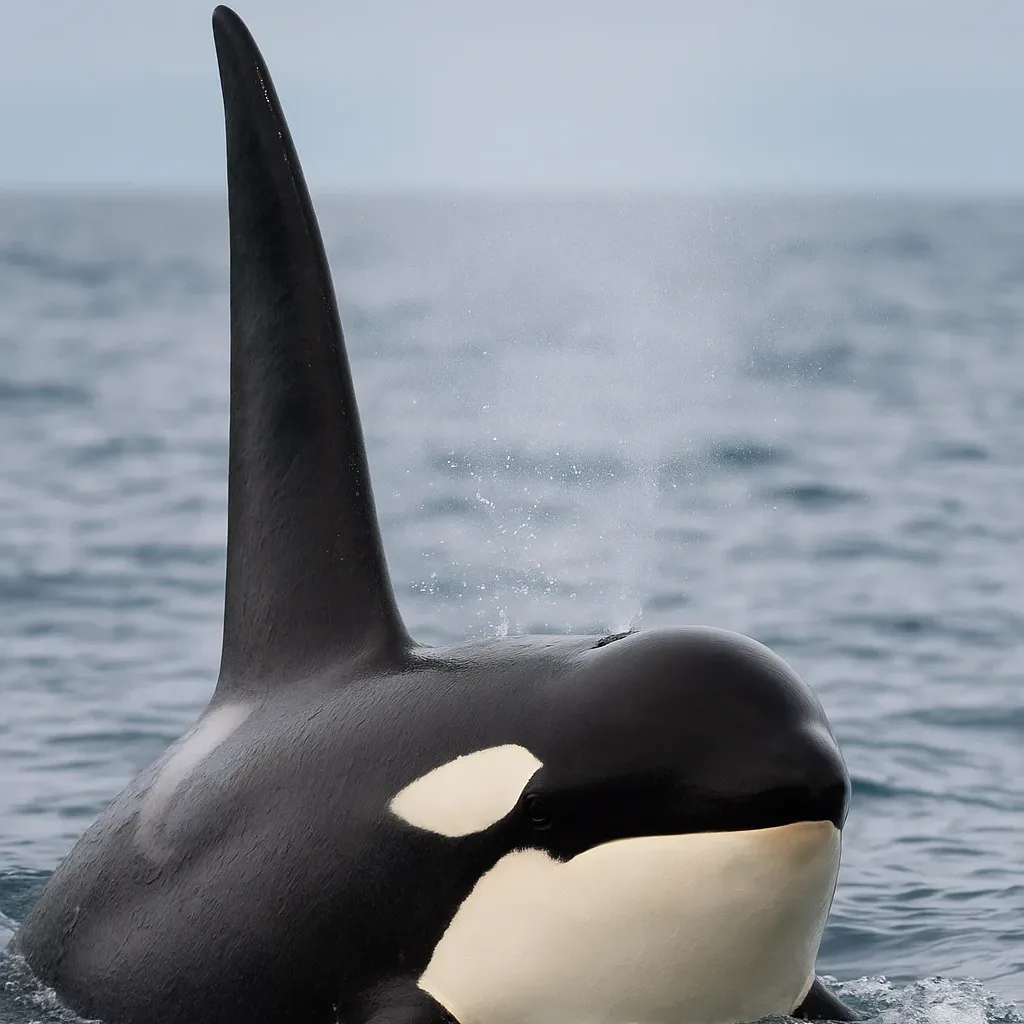
The orca, also known as the killer whale, is the ocean's top predator, claiming the title "predator of predators" for its mastery over the seas. With their incredible intelligence and coordination, orcas often hunt in pods to subdue large prey, making them formidable hunters. These sea giants are known for outsmarting great white sharks and even targeting other large marine mammals, showcasing their dominant prowess.
🔎 Key Takeaways
- Orcas are the ultimate marine predators, capable of taking down even the ocean's fiercest creatures.
- Their coordinated group hunting tactics allow them to subdue large prey effectively.
- An orca can grow to about 6 to 8 meters (20–26 feet) in length, with some males weighing as much as 6,600 kg (14,550 lbs).
- Orcas exhibit a swimming speed of up to 56 km/h (34.8 mph), faster than most marine animals.
🧬 Why It Happens
Orcas are highly intelligent animals with complex social structures, often living in matriarchal pods. This social organization facilitates cooperative hunting, where they communicate and strategize to capture their prey. Their intelligence allows them to use cunning tactics, such as forcefully beaching themselves to catch seals on ice floes.
Physically, orcas are equipped with powerful jaws and sharp teeth capable of handling a diverse diet ranging from fish to other marine mammals. They use echolocation to navigate and hunt in murky waters, locating prey with astounding precision. This adaptability is crucial in their dominance over various oceanic ecosystems.
Their vast distribution, covering every ocean from the Arctic to the Antarctic, ensures they encounter a rich variety of prey. With an innate ability to learn and pass down hunting techniques through generations, orcas exemplify what it means to be apex predators.
🌍 Where You Might See It
Orcas are found in diverse habitats across the globe, from polar regions' icy waters to the temperate zones of the North Pacific. They prefer coastal areas rich in marine life, though they can also be spotted in open waters. Often seen in pods, these family groups travel across vast distances in search of food.
⚠️ Practical Caution
- In general, maintain a safe distance from wildlife when observing orcas.
- Observe marine mammals from a distance as recommended by local guidelines to minimize disturbance.
- Avoid feeding or attempting to interact physically with orcas.
- Use binoculars or telescopes for a safer observation experience from shorelines.
- When boating near orcas, reduce speed and remain aware of their presence to prevent accidental harm.
- Follow regulations set by marine protection authorities regarding whale watching.
In general, maintaining respect and distance from wildlife ensures not only your safety but also the well-being of the animals. Always adhere to local regulations and guidance when encountering these majestic predators.
Discover more fascinating insights into the animal kingdom by visiting our homepage at AnimalsGuidebook.com.