🐾 More intimidating than the king of the jungle: Cape buffalo
Primary subject: Cape buffalo — Syncerus caffer
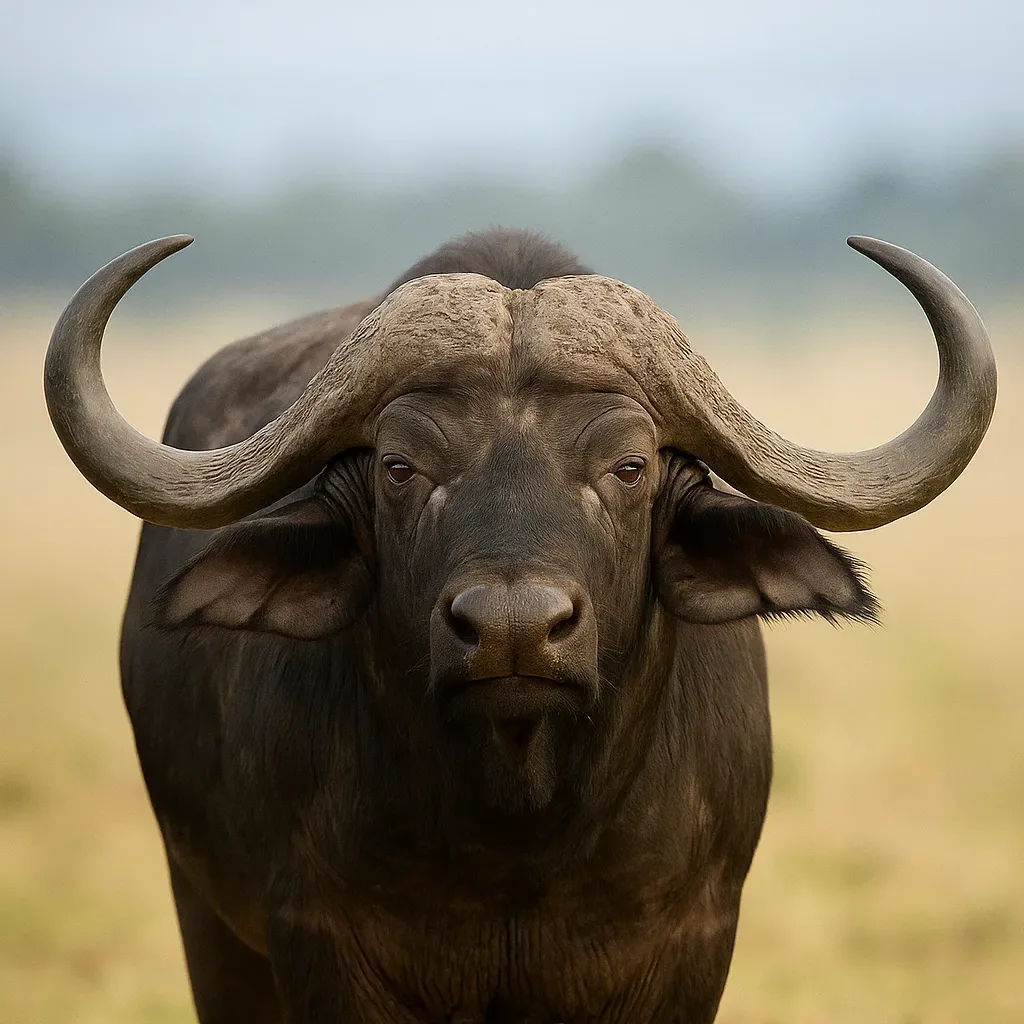
The Cape buffalo, also called the African buffalo, stands as a more formidable figure than the lion, the so-called king of the jungle. Known for its unpredictable nature, this massive bovid commands respect through its sheer strength and ability to defend itself against predators. Its aggression and herd-centric behavior make it a creature to be approached with caution.
🔎 Key Takeaways
- The Cape buffalo is often regarded as more intimidating than a lion due to its aggressive nature and unpredictable behavior.
- Its size and social structure make it formidable in both singular confrontation and group defense.
- Cape buffalo can weigh up to 900 kg (about 2,000 pounds), several times the weight of a lion.
- They have the strength and agility to charge at speeds of around 55 km/h (approximately 34 mph).
🧬 Why It Happens
The Cape buffalo's reputation stems from its immense size and muscular build, which provide it with both protection and the means to mount a powerful defense. Weighing as much as an average car, a single charge can fend off lions and other large predators.
Their unpredictable nature is linked to their social dynamics. They often move in large herds, which can number in the hundreds, providing strength in numbers. This collective behavior poses a significant threat to predators, as not only do they defend themselves, but they retaliate when one of their own is threatened.
With sharp, curved horns spanning up to a meter in width, Cape buffalo are naturally equipped to handle both defense and aggression. These horns make them a challenging target for predators, further reinforcing their distinction as a fearsome contender in the animal kingdom.
🌍 Where You Might See It
Cape buffalo are typically found in the savannas and grasslands of sub-Saharan Africa, where they graze on tall grasses. They are often sighted near water bodies, particularly during the dry season when water is scarce. This terrain also makes encounters more likely, necessitating caution in these habitats.
⚠️ Practical Caution
- Stay aware of your surroundings when in buffalo habitats, especially near water sources.
- Maintain a respectful distance and do not approach Cape buffalo, even if they appear calm.
- Move away slowly and calmly if you encounter one. Sudden movements can provoke a charge.
- Follow guidance from local wildlife experts and park officials when traveling in areas inhabited by Cape buffalo.
- Avoid being caught between a buffalo and its herd; such positioning can trigger defensive aggression.
- Be extra cautious during calving season, when buffalo are particularly protective.
In general, maintaining distance and respecting local wildlife regulations are key strategies in staying safe around Cape buffalo. Calm behavior and adherence to expert guidance can help prevent conflicts.
For more intriguing animal facts and safety tips, visit our homepage at AnimalsGuidebook.com.