🐾 The smell that means this animal is nearby: Bear
Primary subject: Bear — Ursidae
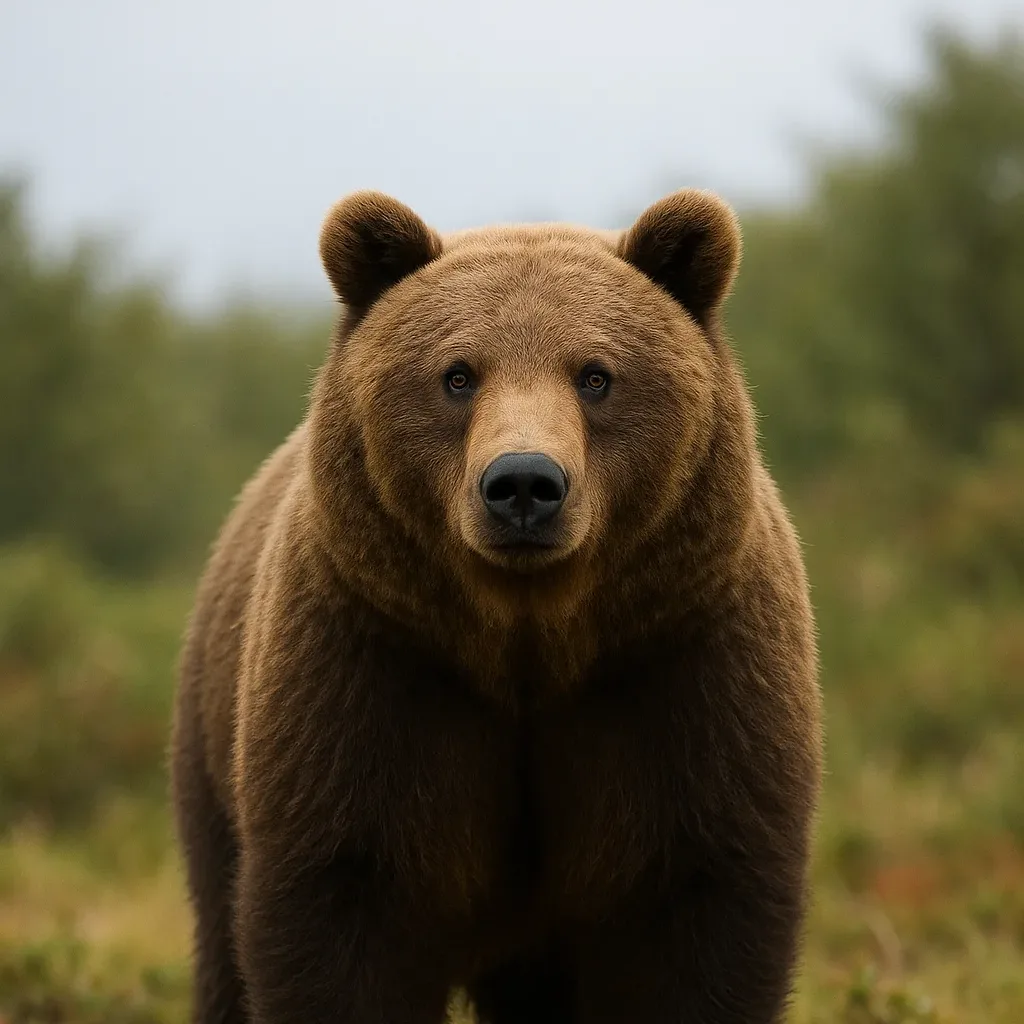
If you catch the unmistakable scent of a musky, wet dog combined with a twist of decaying leaf litter, it's a potential indicator that a bear is in close proximity. Bears emit a noticeable odor due to their oily skin, which can be particularly discernible on a warm day or when near their territory. Recognizing this aroma not only alerts you to their presence but also serves as a crucial signal for caution in bear-populated areas.
🔎 Key Takeaways
- Bears can be identified by their musky, wet-dog-like scent which is often amplified in their natural habitat.
- The smell is primarily due to the oils in their fur and skin mixing with their environment.
- Bear bellies can weigh up to 600 kg, making them one of the largest terrestrial carnivores.
- With a keen sense of smell, bears can detect scents from over a kilometer away, aiding in both their search for food and detection of threats.
🧬 Why It Happens
The distinct smell associated with bears comes primarily from the sebaceous glands in their skin, which produce oils that coat their fur. This oil helps keep their coat waterproof but also captures environmental scents. The musky odor is especially strong in humid conditions or when bears are active.
Bears have a highly developed sense of smell, which they use for foraging and identifying territory. Interestingly, their olfactory sense is estimated to be about seven times stronger than a bloodhound's, enabling them to detect food sources from vast distances.
These olfactory capabilities are not only essential for finding food but also play a significant role in communication and navigation within their environment, further underscoring why the presence of their smell can indicate they are nearby.
🌍 Where You Might See It
Bears are commonly found in forested areas, mountainous regions, and, in some cases, near human settlements in search of food. Their presence is often detected in national parks and wilderness reserves during spring and summer, when they are most active and seeking food after hibernation.
⚠️ Practical Caution
- If you detect a bear's scent, calmly move away in the opposite direction.
- Keep noise levels high by talking or clapping, alerting the bear of your presence from a distance.
- Avoid leaving food or garbage out, attracting bears to your area.
- In bear country, travel in groups and remain vigilant, especially during dawn and dusk.
- Always carry bear spray and know how to use it as a deterrent.
- Respect local wildlife guidelines and observe from a safe distance.
- Secure campsites properly to minimize bear interactions.
Staying aware and maintaining a respectful distance helps ensure your safety and the bear's natural behavior. Always follow local guidance to mitigate risks when in bear habitats.
For more fascinating insights into the animal kingdom, visit our homepage: Animals Guidebook.