🐾 This parent carries its young and still fights: Scorpion
Primary subject: Scorpion — Scorpiones
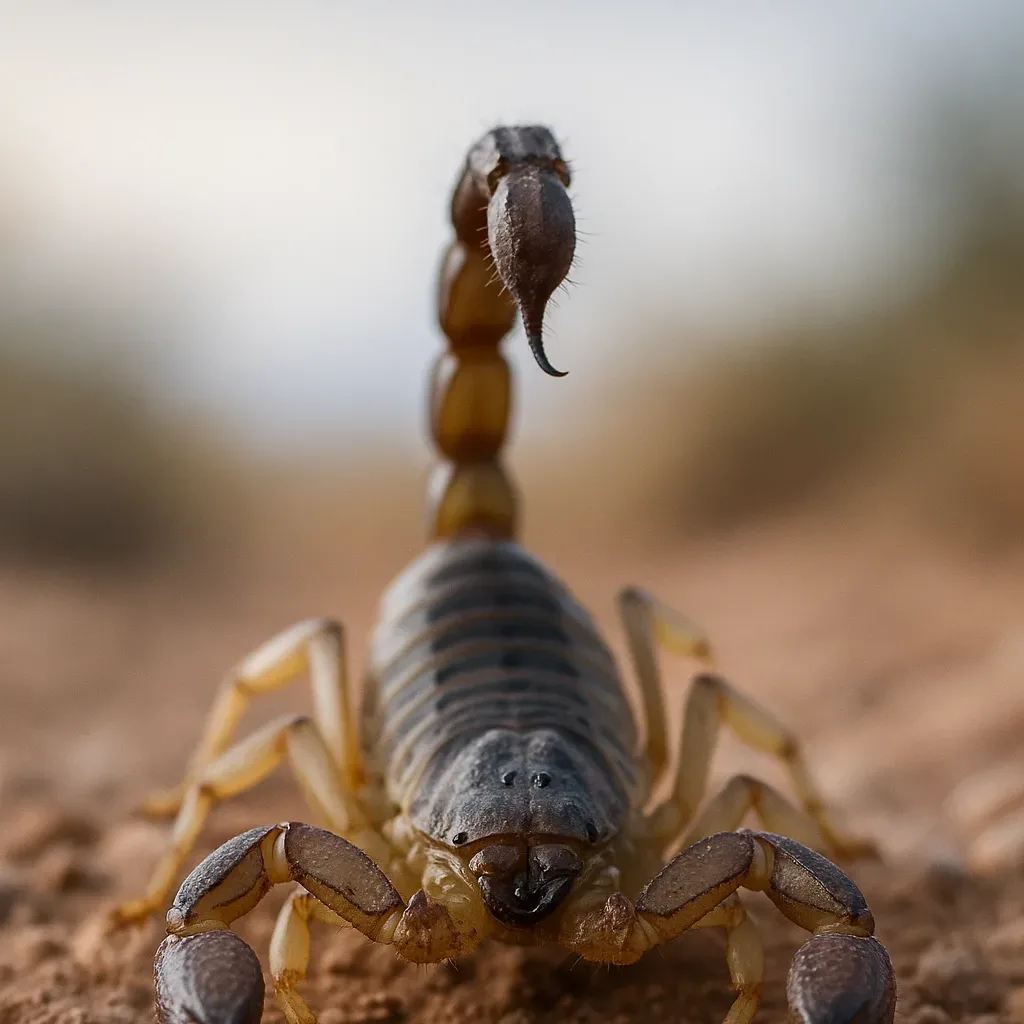
In the harsh environments where scorpions tread, these fascinating arachnids are remarkable for how they carry their offspring on their backs while still managing to fend off predators. This unique behavior stems from their need to protect their vulnerable young, ensuring their survival in a world filled with threats.
🔎 Key Takeaways
- Scorpions carry their young on their backs while defending against predators.
- This behavior is essential for protecting their young during the vulnerable early stages of life.
- Scorpions can give birth to 20–35 live young in a single gestation.
- Scorpions have an average venom yield of around 0.3 to 1.5 milligrams, much less than the lethal dose for humans, making them less deadly than often perceived.
🧬 Why It Happens
Scorpions exhibit a unique mode of parental care in the arachnid world, where the mother carries her offspring on her back until they are ready to fend for themselves. This practice minimizes the likelihood of young scorpions falling prey to environmental dangers and enhances their survival rate.
The venomous sting of a scorpion, while often not deadly to humans, is a formidable deterrent to potential predators. This defense mechanism allows the mother to protect both herself and her offspring strategically. The success of this dual-role behavior speaks to the evolutionary advantages it provides.
The metabolic demands of carrying young and defending against threats necessitate that scorpions have an efficient system to balance energy usage. Their ability to survive on minimal food and water, sometimes for months, underpins this strategy, making them resilient survivors in their varied habitats.
🌍 Where You Might See It
Scorpions are found in diverse habitats, from deserts to tropical forests, with a strong presence in regions such as Africa, Central America, and the southern United States. Their nocturnal lifestyle means they are often encountered during twilight or night when they hunt and protect their young.
⚠️ Practical Caution
- Maintain a safe distance if you encounter a scorpion, particularly if it carries young.
- Avoid attempting to handle or provoke a scorpion, as this may trigger a defensive reaction.
- Wear appropriate footwear and clothing in scorpion-prone areas to protect against accidental stings.
- Check beds, boots, and clothing if you are staying in areas where scorpions are common.
- Consult local guidelines for measures to reduce scorpion encounters around homes and campsites.
In general, staying calm and respecting the scorpion's space are effective strategies to avoid negative interactions. Always follow local guidance on scorpion safety in your area.
For more fascinating insights into the animal kingdom, visit our homepage at AnimalsGuidebook.com.