🐾 This animal will do anything to protect its young: African elephant
Primary subject: African elephant — Loxodonta africana
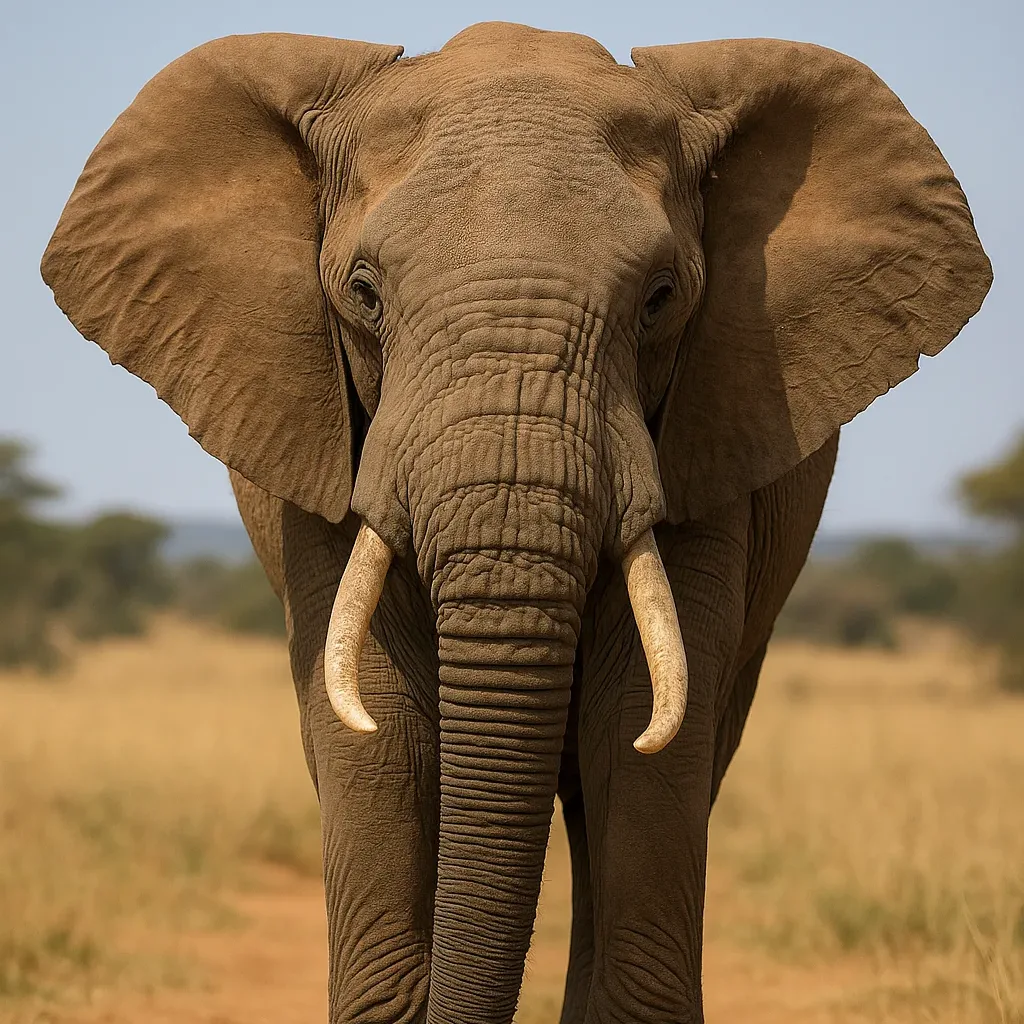
The African elephant is renowned for its fierce protection of its young, often taking extraordinary measures to ensure their safety. Due to their strong familial bonds and complex social structures, African elephants do not hesitate to face threats, whether from predators or environmental challenges, to shield their calves.
🔎 Key Takeaways
- African elephants will take extreme actions to protect their young.
- Strong familial bonds and social structures drive their protective behavior.
- An adult African elephant can weigh between 2,700–6,000 kg, making it a formidable presence.
- An elephant's trunk can lift about 350 kg, illustrating its ability to manipulate objects for defensive actions.
🧬 Why It Happens
African elephants have complex social structures governed by matriarchs who lead their herds. This societal organization reinforces strong protective instincts, as the wellbeing of calves is crucial for the herd's survival and cohesion. Adult elephants, especially females, work together to encircle calves during threats, providing both a physical barrier and emotional comfort.
The strong bonds between mother elephants and their calves are enhanced by constant physical contact and communication. Elephants are known to produce low-frequency sounds—inaudible to humans—that help keep the herd connected over vast distances, ensuring swift reactions to potential dangers.
An elephant’s size and strength are formidable deterrents to predators. An adult elephant's mass can range from 2,700 to 6,000 kilograms, while their trunk, a powerful tool, can lift weights of roughly 350 kilograms, enabling elephants to move objects or fend off threats effectively.
🌍 Where You Might See It
African elephants are commonly found in diverse habitats ranging from savannas to forests across sub-Saharan Africa. Protective behaviors are most often observed in open savanna regions where visibility is clear, and herds can keep a vigilant watch against potential predators like lions and hyenas.
⚠️ Practical Caution
- Maintain a safe distance from elephant herds, especially if calves are present.
- Observe elephants quietly without sudden movements or loud noises that might startle them.
- Follow local guidelines provided by wildlife experts or park officials for safely observing wildlife.
- Avoid encroaching on known elephant pathways or watering holes.
- In general, stay within designated viewing areas and respect barriers.
Conservation areas emphasize maintaining distance and respecting these majestic animals. Safety is improved by observing quietly and adhering to guidelines provided by local wildlife experts.
For more fascinating insights about the animal kingdom, visit our homepage: https://animalsguidebook.com