🐾 The parent isn’t the scary one—the baby is: Wild boar (piglet)
Primary subject: Wild boar — Sus scrofa
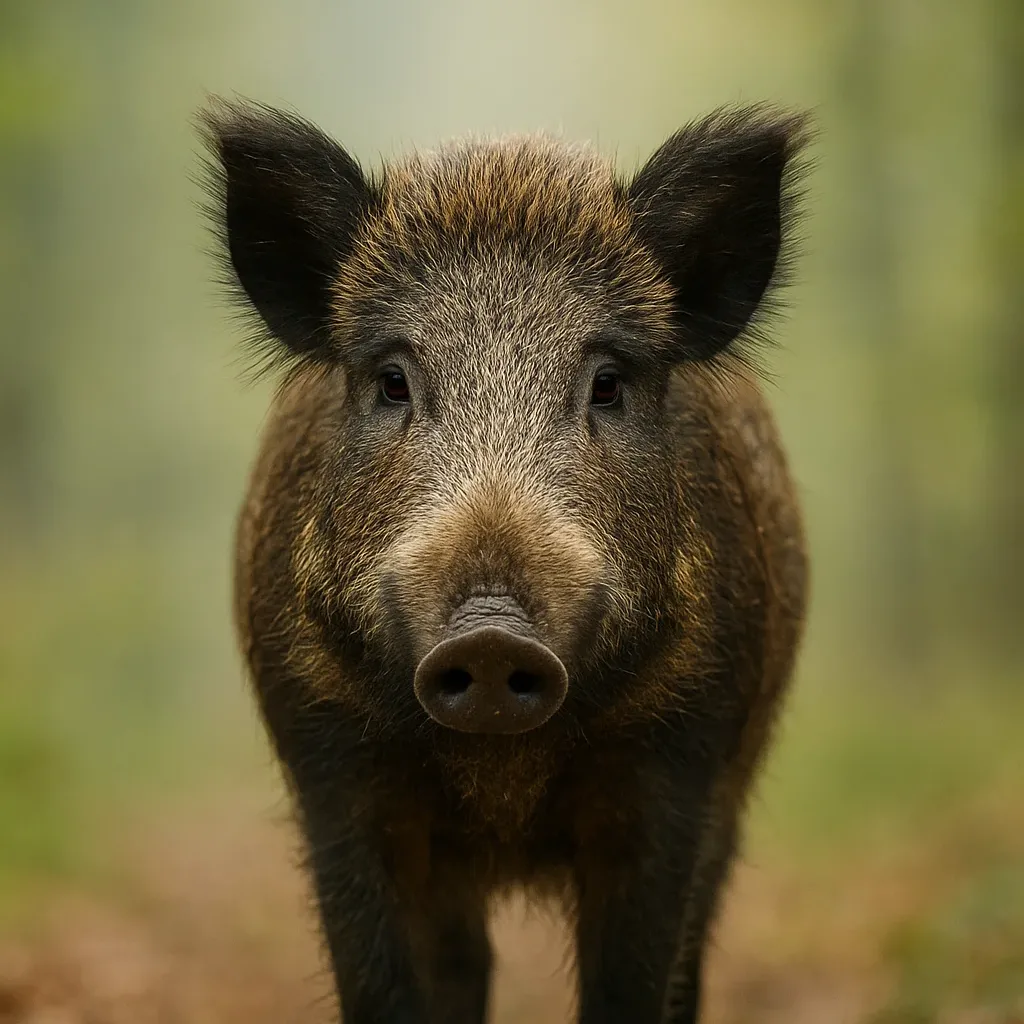
Wild boar piglets, with their distinct striped coats, may appear innocuous, but these youngsters are the primary reason for the intensity of adult boar aggression. The closest threat in the wild to these vulnerable juveniles provokes protective instincts in adult sows, turning a peaceful scene into potential peril. The core reason behind this is the piglet's vulnerability, which triggers the protective behavior in adults, making encounters risky.
🔎 Key Takeaways
- The presence of wild boar piglets can provoke aggressive behavior from adult sows.
- The core reason is the protective instinct of the parents to defend their young.
- An adult wild boar can run up to 40 km/h when defending its young.
- Wild boars weigh between 60–100 kg, comparable to an average human, yet they possess incredibly sharp tusks.
🧬 Why It Happens
Wild boars are known for their strong family bonds, especially during the early stages of a piglet's life when they are most vulnerable. Piglets rely heavily on their parents for protection from numerous predators, including large carnivores. This reliance helps explain why adults become fiercely defensive of their offspring.
Adult wild boars, particularly sows, have been observed to charge threats at surprising speeds. On average, they can reach around 40 km/h, which allows them to respond swiftly to any perceived threat. This fast-paced aggression ensures they can quickly intervene to protect their piglets.
Their impressive size, about 60–100 kg, amplifies the potential danger during an encounter. Coupled with sharp tusks that can be alarmingly efficient against predators, these attributes make adult boars formidable defenders. Their highly protective behavior is crucial for the piglets' survival, especially when the young are unable, even collectively, to fend off threats.
🌍 Where You Might See It
Wild boars are widespread across Europe, Asia, and parts of North America, often inhabiting dense forests and scrublands. They are typically most aggressive during breeding and rearing seasons when piglets are present, especially if surprised or cornered in their natural terrain.
⚠️ Practical Caution
- Maintain a respectful distance from wild boars, especially when piglets are present.
- Avoid direct eye contact and sudden movements near boar families.
- Do not approach or attempt to feed wild boars or their young.
- Be aware of your surroundings, particularly if hiking in boar-inhabited regions.
- Follow any local signage or guidance when exploring natural habitats.
- Calmly back away if you encounter a wild boar with young.
In general, respecting their space and avoiding confrontation can prevent incidents. Always follow local wildlife guidelines and remain vigilant in boar habitats.
For more insightful articles on wildlife, visit our homepage: AnimalsGuidebook.com