🐾 The family that hunts together—and it’s terrifying: Gray wolf
Primary subject: Gray wolf — Canis lupus
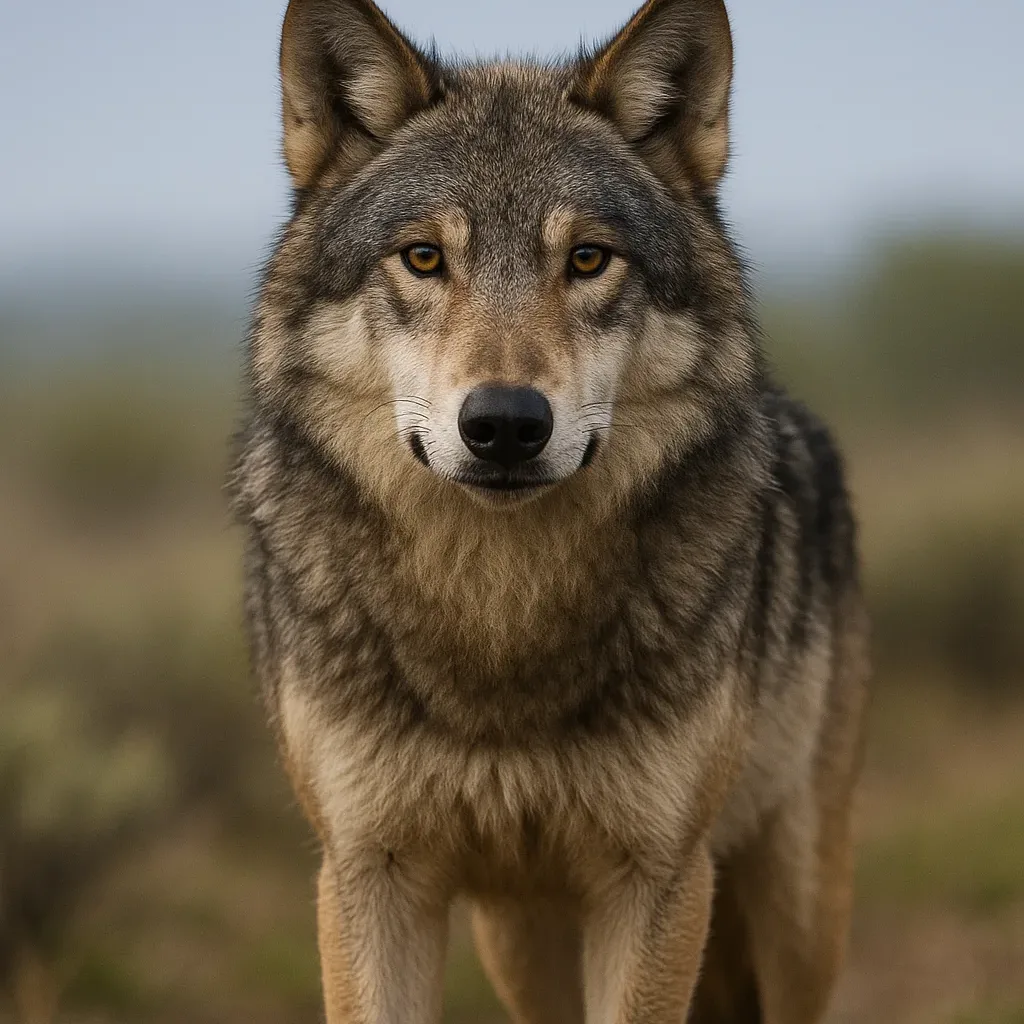
Gray wolves are renowned for their sophisticated pack hunting strategies, which are both efficient and intimidating. These family units work together to track, isolate, and take down prey, leveraging their strong social bonds and keen instincts. The key to their success lies in their exceptional cooperation and communication skills.
🔎 Key Takeaways
- Gray wolves hunt in packs, showcasing team dynamics that increase their hunting success.
- The main reason for their success is their ability to communicate and coordinate during hunts.
- A gray wolf can weigh between 60 and 145 pounds, making it a formidable predator.
- Despite their size, wolves can cover vast distances, sometimes traveling over 50 miles in a single day.
🧬 Why It Happens
Gray wolves are social animals that rely on pack cohesion to increase their hunting success. Each member has a specific role, from scouting to leading the chase, ensuring efficient use of energy and coordinated attacks. This complex social structure is often compared to a tightly-knit family working towards a common goal.
Communication is vital for gray wolves, relying on vocalizations, body language, and scent marking to relay information and organize their hunting strategies. This allows them to effectively corner and capture prey, even those much larger than a solo wolf could tackle alone.
Wolves’ endurance and strength enable them to pursue prey over long distances. With a powerful bite force of approximately 400 psi, they are equipped to take down large ungulates like moose and elk, significantly increasing their pack’s survival odds.
🌍 Where You Might See It
Gray wolves are found in various regions across North America, Europe, and Asia, usually inhabiting forests, tundras, and grasslands. They often hunt at dawn or dusk when their prey is most active. Observing a pack in these settings can give insight into their remarkable hunting strategies.
⚠️ Practical Caution
- If you encounter wolves in the wild, maintain a safe distance to avoid disturbing them.
- Stay calm and avoid making sudden movements that could provoke a response.
- It’s wise to travel in groups when in wolf territories to reduce risks.
- Follow local wildlife advisories and park regulations to ensure your and the animals' safety.
- Educate yourself and others on wolf behavior to better understand and respect their natural tendencies.
In general, respecting wildlife boundaries and behaving calmly will minimize any potential encounters. Always follow local guidance when in wolf habitats to ensure a safe and respectful experience.
Explore more fascinating animal behaviors and insights on our homepage at AnimalsGuidebook.com.