🐾 It will risk everything for its family: Emperor penguin
Primary subject: Emperor penguin — Aptenodytes forsteri
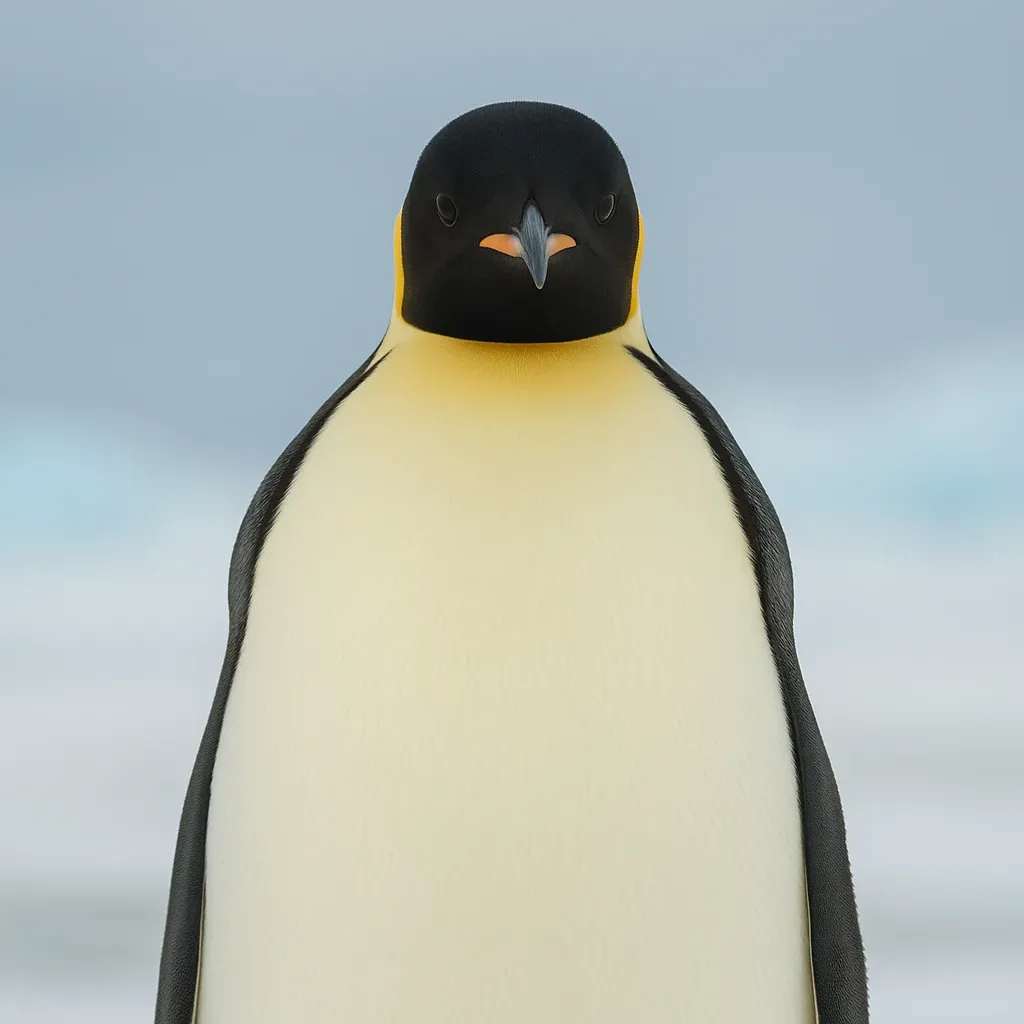
The Emperor penguin goes to extraordinary lengths to ensure the survival of its family, enduring harsh Antarctic conditions for its offspring. This iconic bird’s survival strategy involves bold sacrifices, all driven by a deep-seated instinct to prioritize its young. The core reason behind this risk-taking is the extreme environmental challenges they face in breeding and raising chicks.
🔎 Key Takeaways
- Emperor penguins risk their lives in brutal conditions for their family’s survival.
- The drive to protect offspring pushes them to endure extreme cold and fasting.
- An Emperor penguin male can fast for more than 100 days while incubating an egg.
- These birds can endure temperatures dropping to about -60°C (-76°F) during the harsh Antarctic winter.
🧬 Why It Happens
The Emperor penguin’s life revolves around a cycle of breeding and chick-rearing that requires immense effort and adaptation. During the breeding season, male penguins are responsible for incubating the eggs. They achieve this by balancing the egg on their feet and covering it with a flap of skin known as a brood pouch, maintaining essential warmth.
During this time, male penguins face extreme fasting periods, refraining from eating as they remain on the sea ice to keep the egg warm. They rely on stored body fat to survive, losing up to half their body weight during this fasting period of over three months. Such dedication is necessary, as failure to keep the egg warm could result in chick mortality.
The environment poses the ultimate test, with temperatures plunging and fierce winds making survival difficult. Emperor penguins exhibit social behavior to conserve heat, huddling together and rotating positions in the group, allowing each penguin a chance to warm up. This synergy is crucial, ensuring all members of the group help safeguard their young.
🌍 Where You Might See It
Emperor penguins are native to Antarctica, particularly around the sea ice that rims the continent. They breed during the continent's winter months when conditions are most extreme. The habitat features ice-packed landscapes, presenting both challenges and the only opportunity for breeding, which requires stable sea ice to support their large colonies.
⚠️ Practical Caution
- Maintain a respectful distance and avoid disturbing penguin colonies in Antarctica.
- Observe from designated areas if present, ensuring minimal ecological disruption.
- Follow local guidance and regulations aimed at protecting wildlife habitats.
- Refrain from feeding or attempting to interact directly with wildlife.
- Utilize appropriate gear to withstand extreme cold if visiting these remote areas.
In general, the best approach is to prioritize non-invasive observation, keeping a safe distance and avoiding any actions that could stress the animals or disrupt their breeding habits.
For more fascinating insights into wildlife and their behaviors, visit our homepage: AnimalsGuidebook.com